The Readymade
Overview
Ever wanted to create your own readymade artwork? Join artist Amanda Bennetts to apply your creativity to the everyday objects around you.
The resources on this page provide a step-by-step guide to exploring your creativity using everyday materials.
Appropriate age groups/school levels
In the Studio (formerly Art Kitchen) workshops have been developed to appeal to teachers and students from a range of year levels. Please use discretion when deciding on the appropriateness of each workshop for your students.
About the Artist
born 1986, Walyalup/Fremantle
lives and works on Kabi Kabi Country/Sunshine Coast
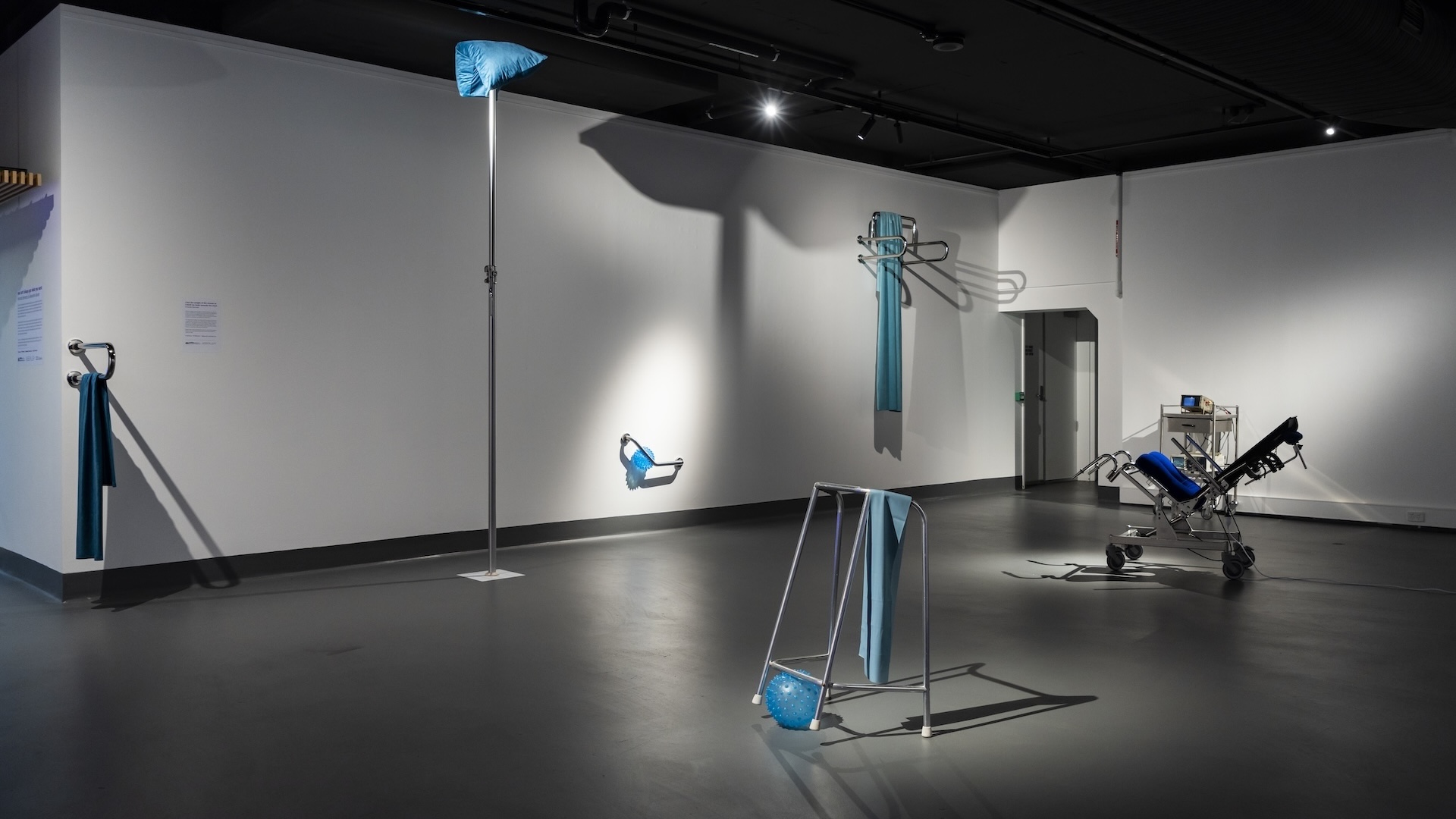
Amanda Bennetts is a Sunshine Coast-based (Kabi Kabi Country) artist whose practice is grounded in the lived experience of a body in flux, shaped by chronic illness and disability. Her immersive installations, using video, sound, and everyday objects, explore how illness, health, and wellness are influenced by culture, technology, and infrastructure.
A Queensland College of Art graduate, Bennetts received the Best in Show prize for her graduating exhibition and has held solo exhibitions in Queensland at Uni SC Gallery, Metro Arts and Outer Space Brisbane, as well as Firstdraft in Sydney.
In 2024, she received a Sydney Opera House and Accessible Arts commission for the film Carve Crevice from Grace, which went on to win the 2025 Girra Prize. Internationally, Bennetts’ work has been shown at Ars Electronica Festival, Linz, CTM Festival, Berlin and in Thessaloniki, London, and New York.
‘My dad is an art teacher, so art has been a part of my life since [I was] a child. And I remember going to exhibitions, shows that really aren’t conventional or traditional in the sense of art. And this is where I really fell in love with art that challenges or changes your perspective.’ – Amanda Bennetts
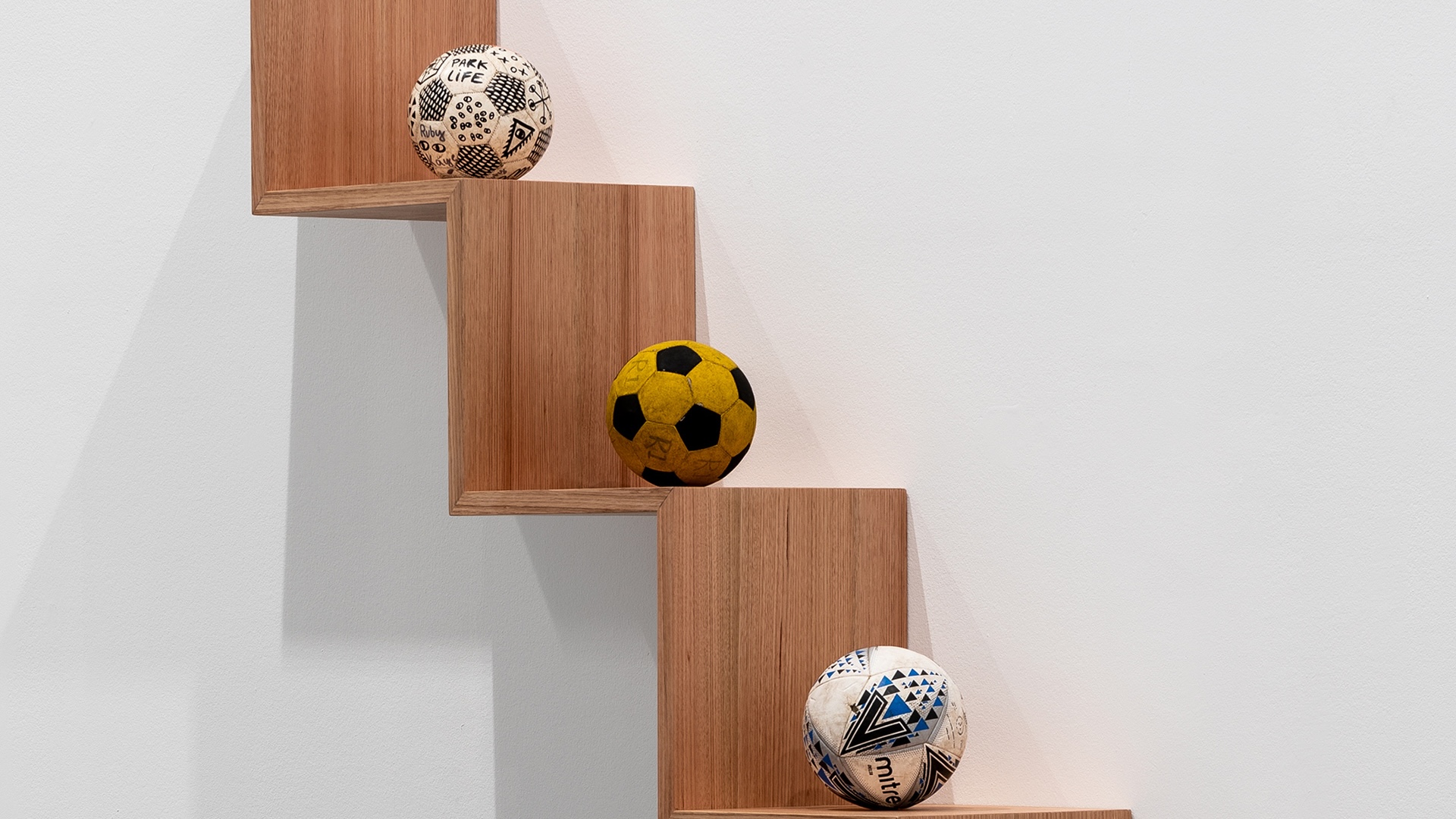
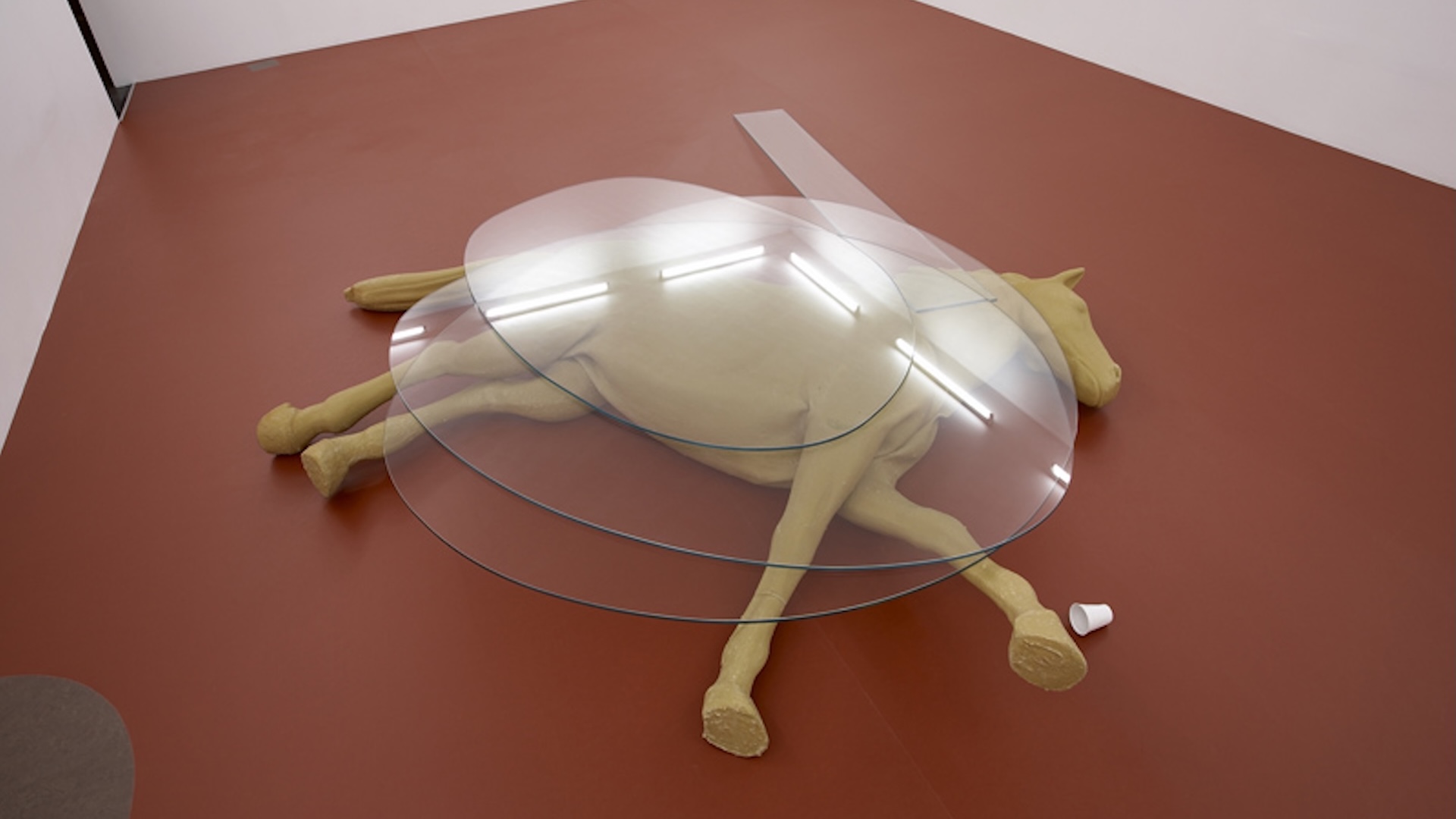
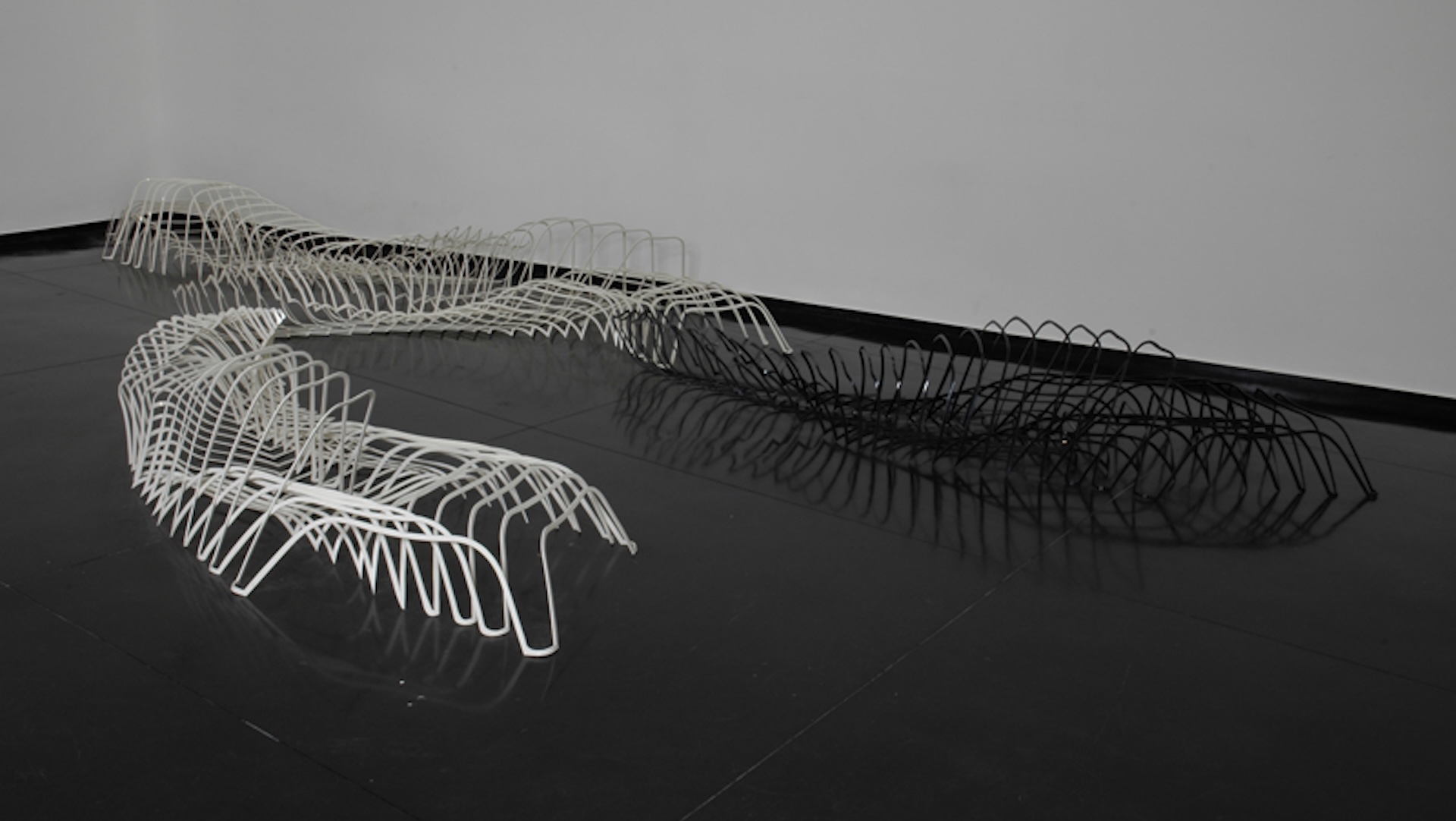
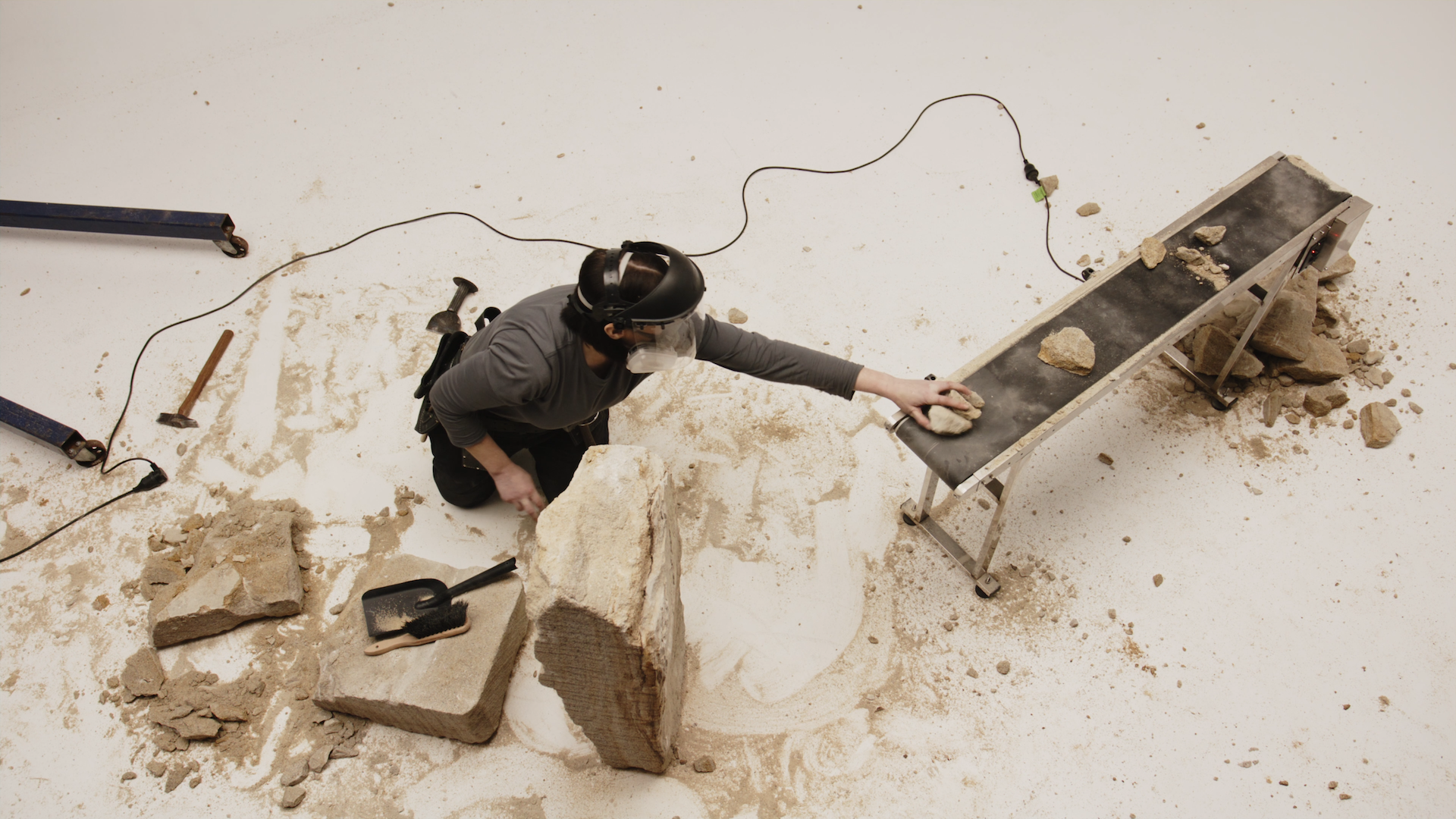
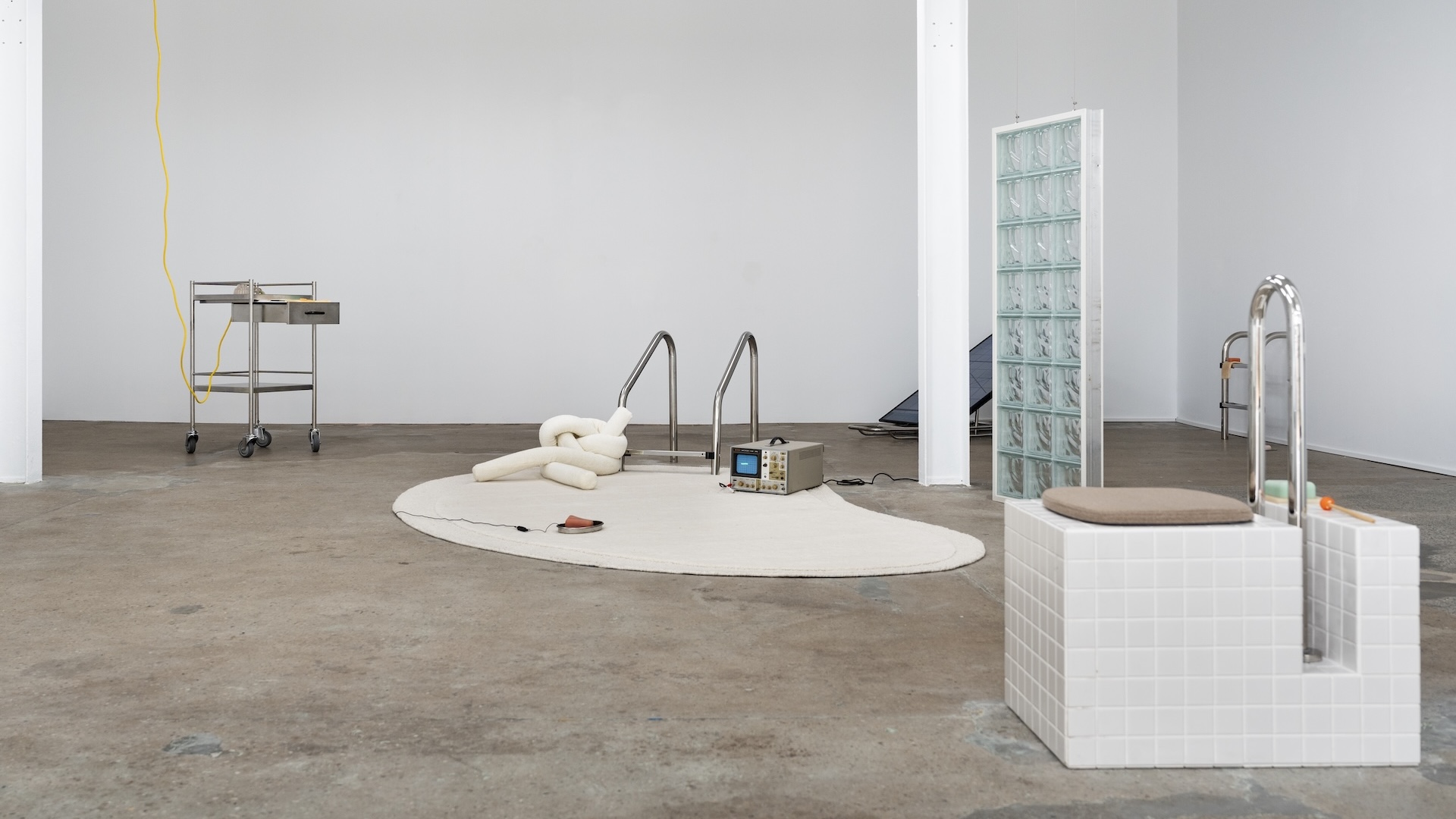
Examples of the Artist’s Artworks
What you will need
- Note pad and pen
- Soap
- A collection of everyday day materials/objects of care
Process
Step 1: Find your object of care
- Choose an everyday object of care that you have at home.
- Your object should be a readymade or found object – something that has already been manufactured and can be easily found at home or purchased from a shop.
- The purpose is to choose an object that can be transformed to create a new meaning or interpretation.
- For example, a bar of soap is an everyday object associated with care and self-care, cleaning the body, wellness and hygiene.
- Consider:
– What body, or whose body, is this object designed for?
– By presenting a readymade object as art, you can challenge the viewer’s understanding of what an artwork can be.
– Can everyone use the object in the same way? - What could you do to the object to change its meaning?
Step 2: Undertake a visual analysis of your object
- Closely observe your chosen object and describe what you can see, smell, and feel about it.
- Consider its shape, size, colour, texture, surface, materials, patterns, markings, text or symbols, smell.
- For example, a bar of soap may:
– Have a rectangular shape with rounded edges.
– Contain text pressed into its surface.
– Have a small oval or logo.
– Smell fresh and clean.
– Leave a filmy residue on your hands. - Ask questions about the object that could lead to new and interesting ways of viewing or interpreting it.
- Consider how your sensory experience of the object might contribute to its meaning.
Step 3: Decide what you want to say about your object
- Decide what idea, message, feeling or story you want your artwork to communicate.
- Think about how you can recontextualise the found object or change its meaning.
- Changing the meaning can be as simple as adding something, removing something, carving into the object, adding text/symbols or attaching another object.
- Consider what your chosen object could communicate and how an alteration could communicate your personal experiences, ideas or perspective.
- For example, a bar of soap could explore:
– Wellness and self-care.
– The time required to care for your body.
– Different experiences of cleansing and personal care.
– Body image and identity.
– Imperfection and beauty.
– Disability and the body.
– Technology and healthcare.
– Digital wellness or privacy. - Consider adding objects or materials that create a contrast or unexpected connection.
- For example:
– Adding pearls could explore imperfection, beauty and finding value in flaws.
– Adding a paddle-pop stick could make the soap resemble an ice cream, creating a connection between a non-edible object and something that appears delicious.
– Adding a USB could explore technology, digital wellness or privacy. - Consider how the alteration might create a particular feeling or response from the viewer.
Step 4: Change your object
- Make at least one physical change to your object.
- Consider changing its shape, texture, surface, function, appearance, or context.
- For example – carve into it, cut it, grate it.
- For example, cutting soap as though it were cheese may encourage the viewer to question whether it is soap or food.
- Grating soap can create an unusual visual, physical and sensory experience.
- You could also combine your object with other objects to change its meaning.
- For example:
– A knife, chopping board and cheese grater could make soap appear connected to food preparation.
– Medical tweezers, surgical scissors and a stainless-steel kidney tray could create associations with medicine, surgery and healthcare.
– Adding sand can change the texture and experience of the soap, creating associations with the beach and the experience of having sand on the body. - Consider how the combination of objects can create a new story or interpretation.
Step 5: Present it
- Consider how and where you will present your artwork.
- Experiment with different settings, landscapes, environments, heights and positions.
- Consider placing the object somewhere unexpected. For example you could place it, in a garden, near a drain, on a street, low or high above the viewer.
- How does changing the location change the meaning of the object?
- How does the environment affect how the viewer understands it?
- How can you change the viewer’s perspective?
- Consider installation art and how the placement of an object can become part of the artwork.
Step 6: Give your work a title
- Give your finished artwork a title.
- Use the title to add another layer of meaning to the work.
- Consider using a poetic, thought-provoking or ambiguous title.
- The title should encourage the viewer to think about:
– What the artist is trying to communicate.
– Why the object has been changed.
– What the artwork means.
– What ideas they can take from the work. - Think about how the title and the altered object work together to communicate your message.
Step 7: Write a paragraph about your artwork
- Write a set of instructions, a paragraph or short statement about your artwork.
- You could write instructions explaining how to interact with or use the object.
- Consider whether the instructions become part of the artwork.
- You could also:
– Film yourself interacting with the object.
– Create a performance.
– Record sounds.
– Demonstrate how the object should be handled. - Reflect on how you have changed the original object’s meaning through this workshop.
Inquiry questions
- Amanda Bennetts has chosen soap as her readymade object. What would you choose and why?
- Did you start with any preconceived ideas about the readymade before watching this video? How has your perception changed after watching this video/ doing this workshop?
- From the video, did any versions of Amanda’s soap stand out to you? Why?
- In reference to your own readymade object – what unexpected connections can you create by combining the object with other materials or objects?
- How does changing the object challenge the way we normally understand or use it?
- What questions do you want the viewer to ask when they encounter your readymade artwork?
- Come up with a new idea for a readymade artwork that explores something interesting or important to you, family, food, sport, animal welfare, etc.