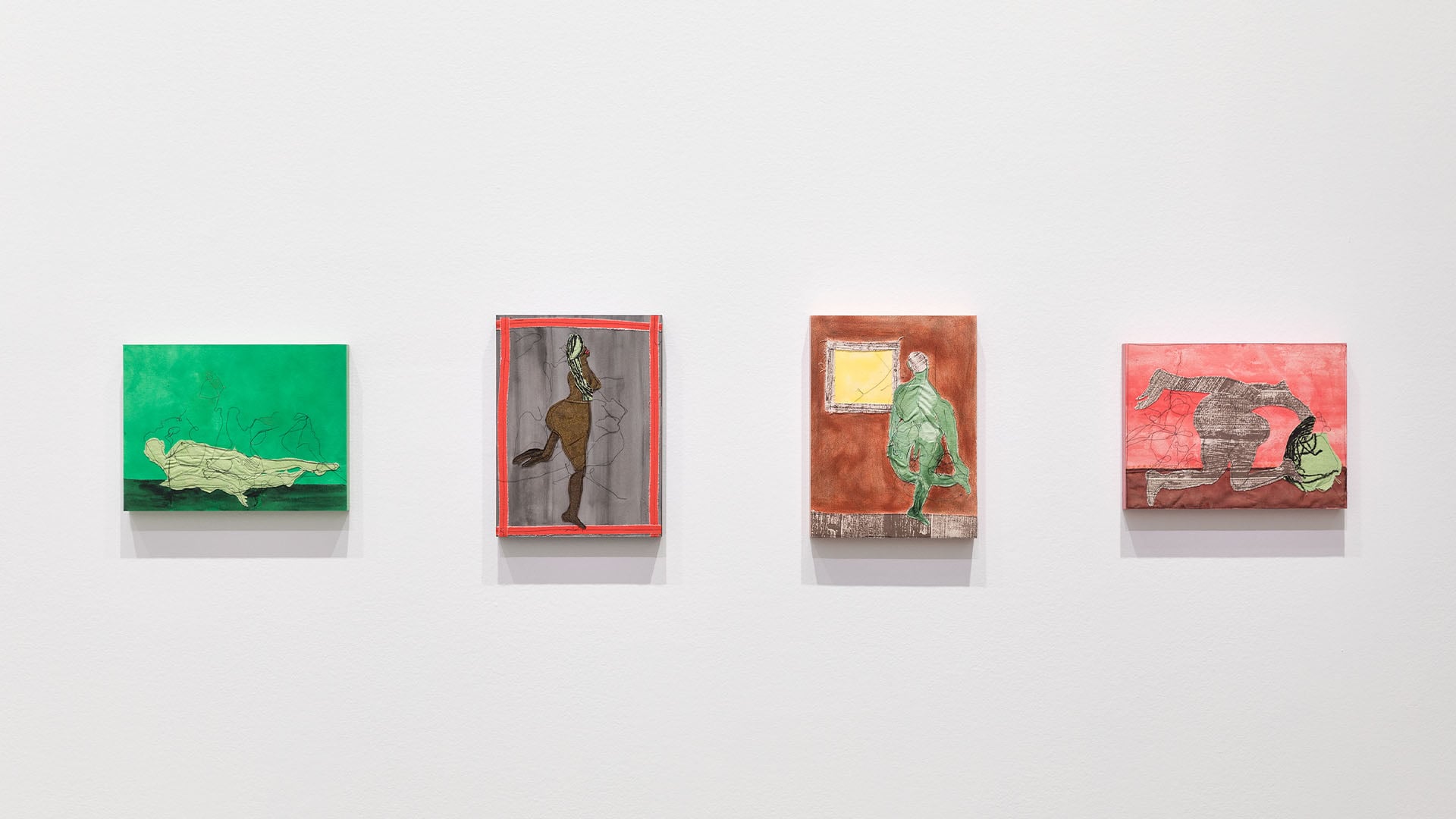
Tschabalala Self: Skin Tight | Exhibition Kit

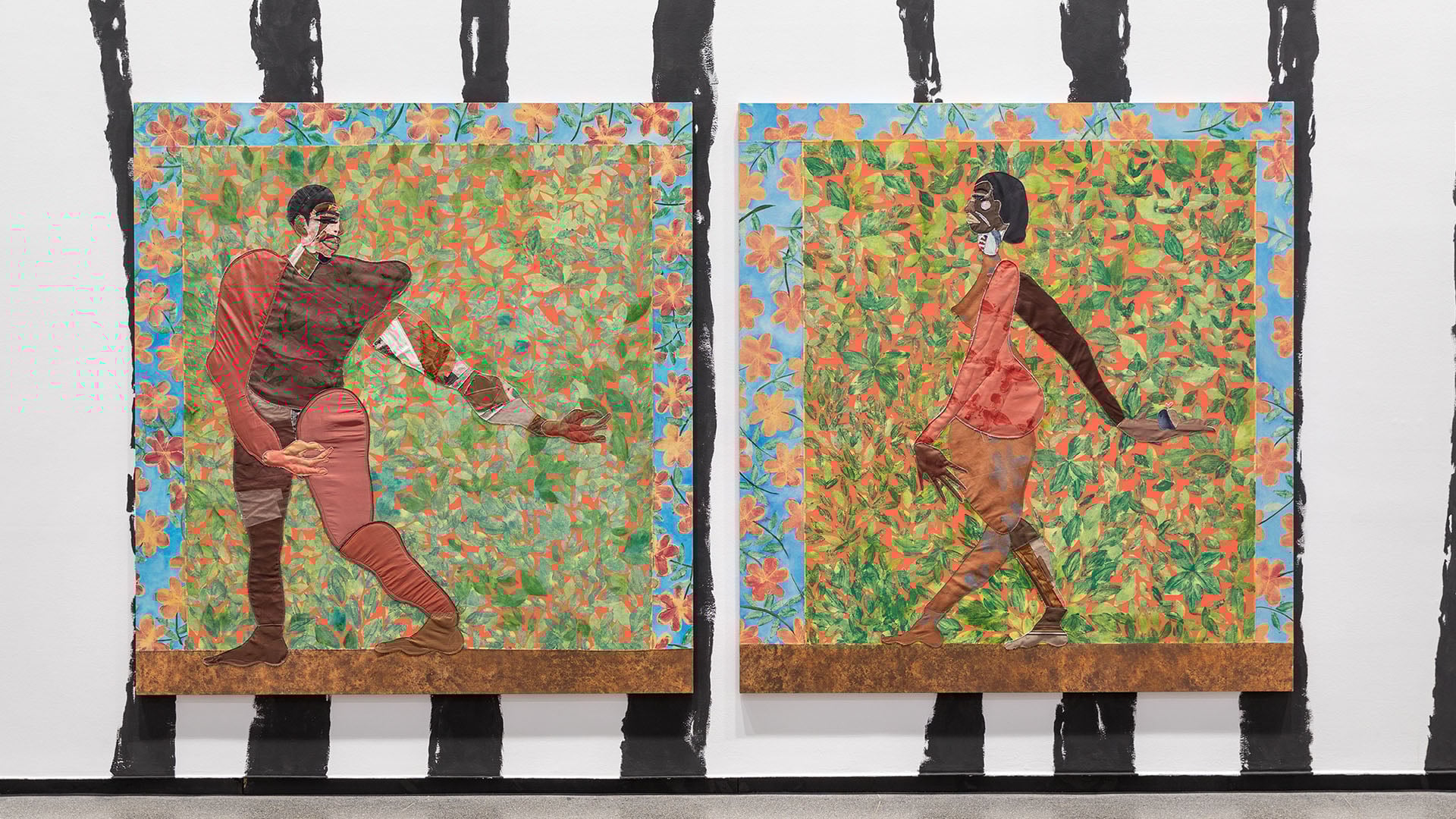
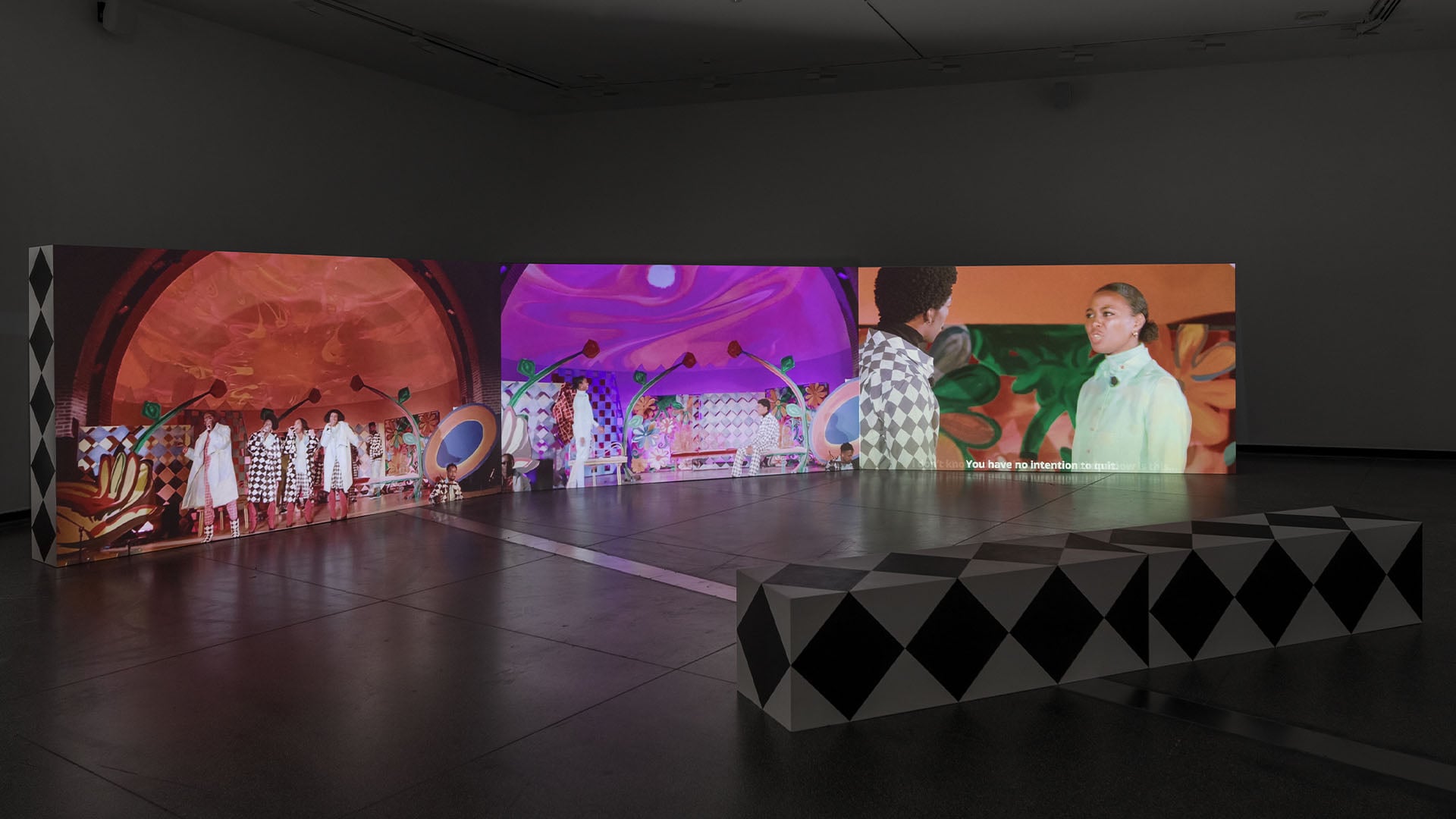
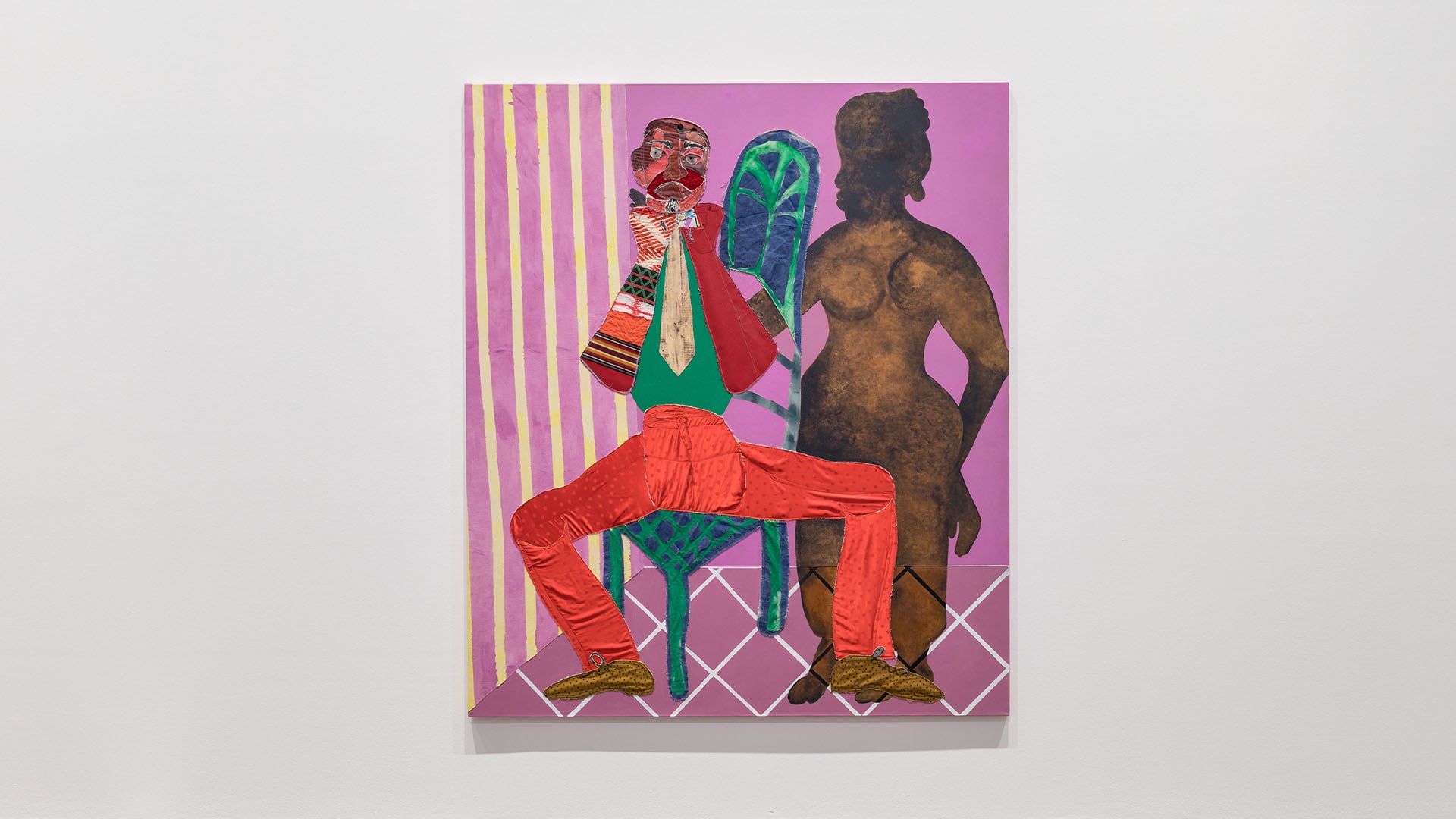
ACCA presents the first Australian solo exhibition of celebrated American contemporary artist Tschabalala Self. With new and recent large-scale paintings and murals, and an immersive 3-channel video installation, Self’s distinctive style combines paint, recycled materials, collage, textiles, sewn and printing techniques in her exploration of figuration. Self’s texturally complex works present forms of embodiment, selfhood and human flourishing. Through her art, Self offers profound insights into the experiences and embodiment of Black identity.

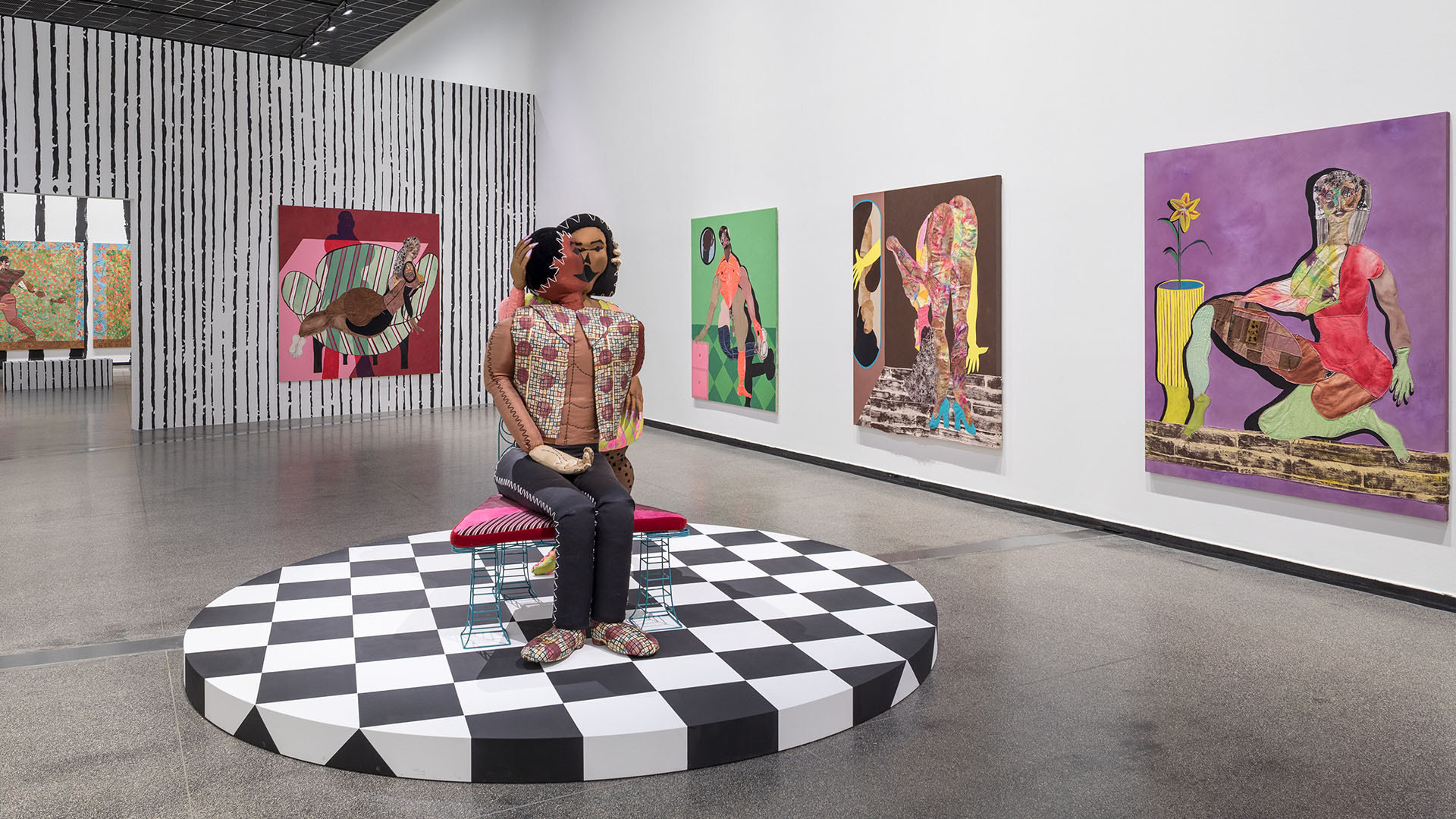
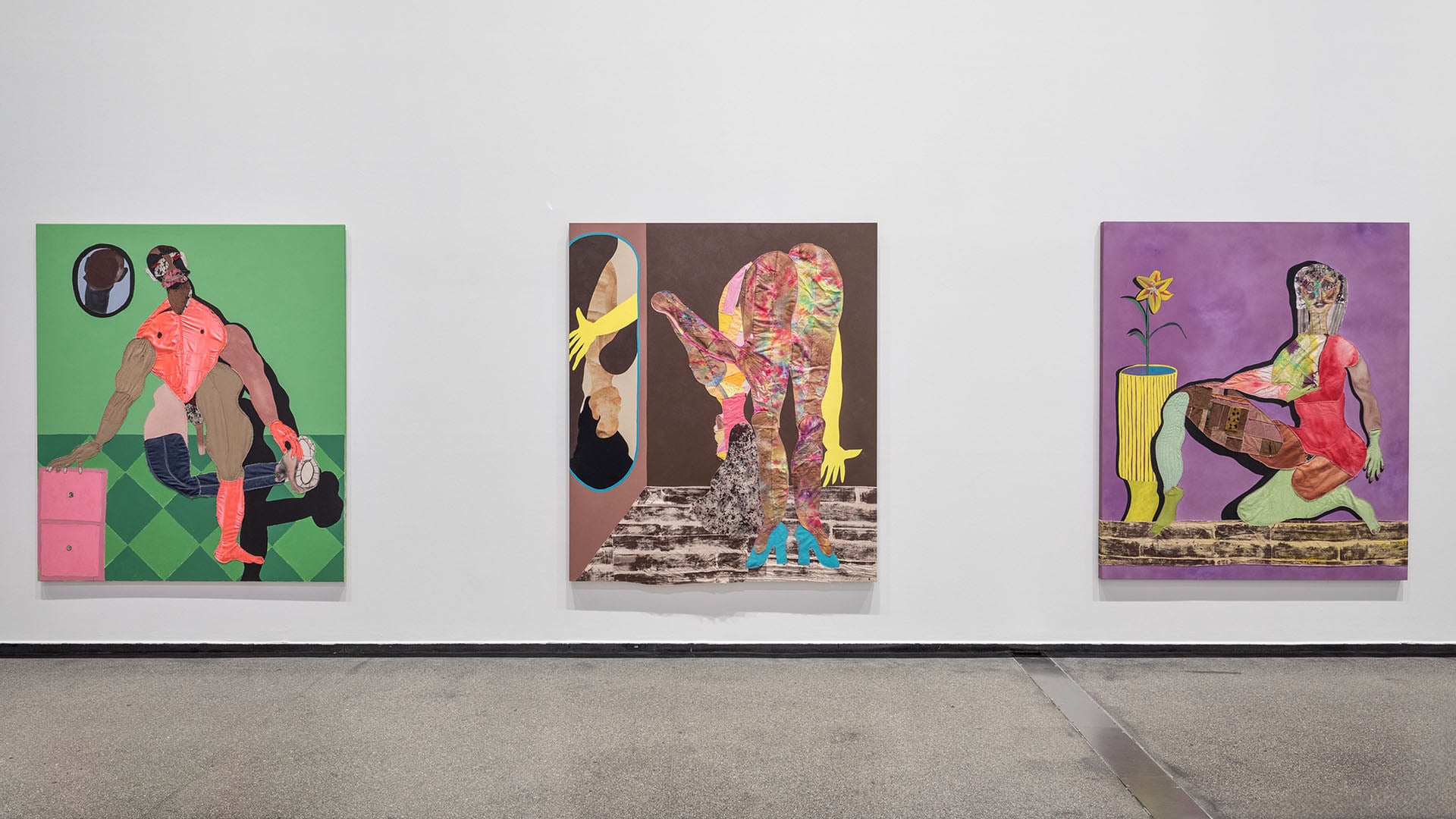
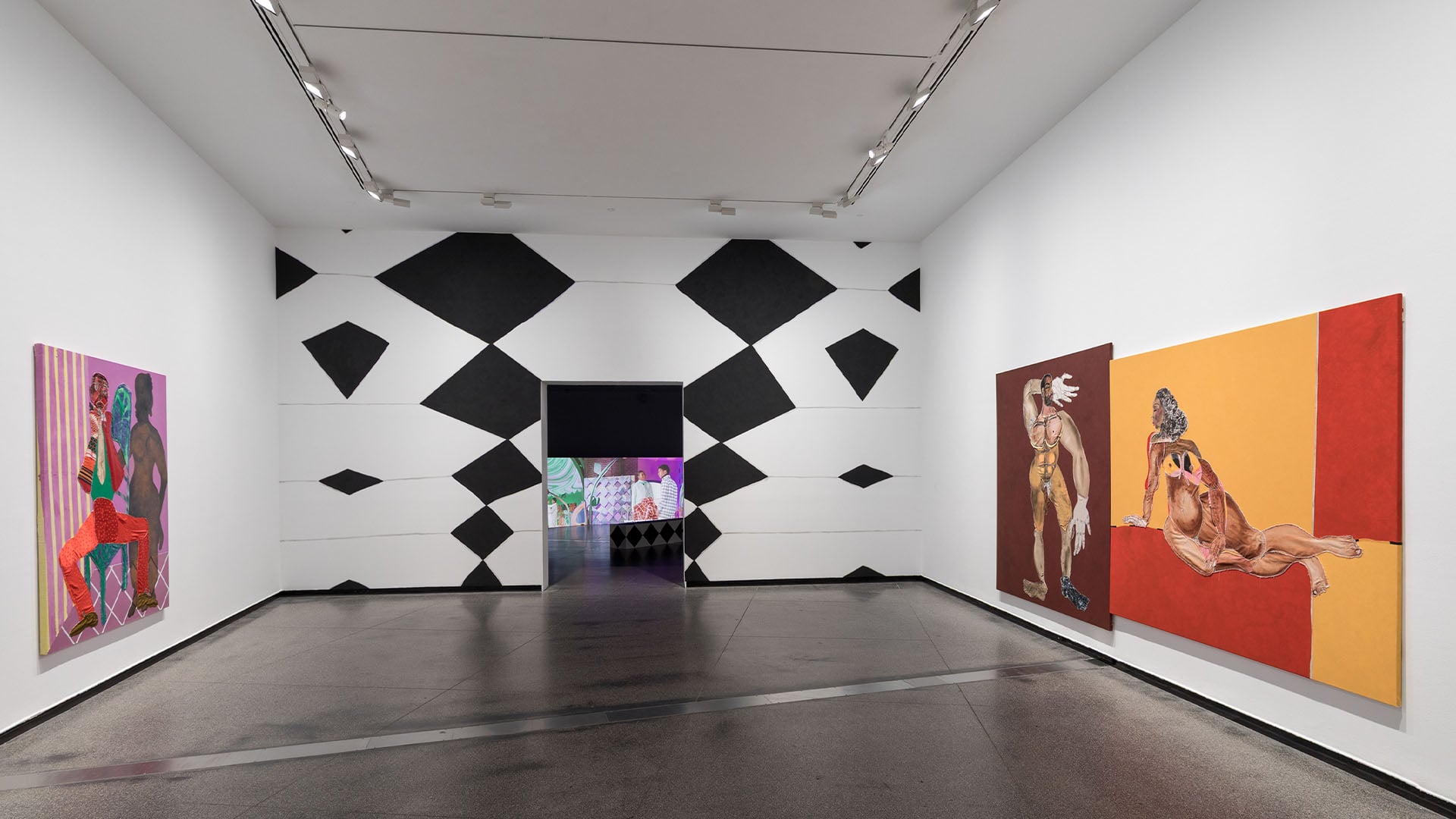
In this exhibition, Self has designed a series of contemplative, psychologically charged immersive spaces, filled with striking 2D and 3D works. Through cut-outs, sightlines, installation, and murals, Self has created an immersive exhibition experience – one where audiences are encouraged to feel part of the installation. Inside her fantastical worlds, the audience becomes active participants in the work. Self’s characters challenge the viewer to reflect on how we define our identities and how we are seen by those around us. Rather than representing any one individual, Self’s figures are dynamic collages, weaving together elements from diverse lives, histories and experiences that she has encountered throughout her lifetime.

Artist: Tschabalala Self

Curated by: Dr Shelley McSpedden & Myles Russell-Cook

ACCA warmly thanks Drs. Theresia and Kevin Spencer for their leadership support of this exhibition.

How to use this kit

This exhibition kit has been developed by ACCA Education to support learning in conjunction with the ACCA exhibition, Tschabalala Self: Skin Tight. Three key artworks from the exhibition have been highlighted, with discussion questions to prompt students’ thinking. Primary and secondary activities, mapped to the Victorian and Australian Curriculum, can be found in the For Teachers section. Upon request, VCE students and teachers can view Support Material for further reading and teaching notes drawn from ACCA’s VCE Programs.
About the Artist

Tschabalala Self
Born 1990, Harlem, New York
Lives and works in Hudson Valley, New York

Self is an artist who builds a singular style from the syncretic use of painting, printmaking and sculpture to explore ideas surrounding figuration. Her work is inspired by her ancestral and familial ties to New Orleans and is infused with a vibrancy drawn from the Harlem Renaissance, as well as jazz, dance, and performance. Self channels these energies into profound reflections on Black embodiment and experience. The exuberant characters in Self’s work push audiences to consider how we construct our identities – and how we both perceive and are perceived by the world around us. Self’s figures are not representative of any singular individual; rather, they are amalgamations of various people and references from throughout her life.

Exhibition Wall Labels
Exhibition Essay
ACCA Artist Interview | Tschabalala Self

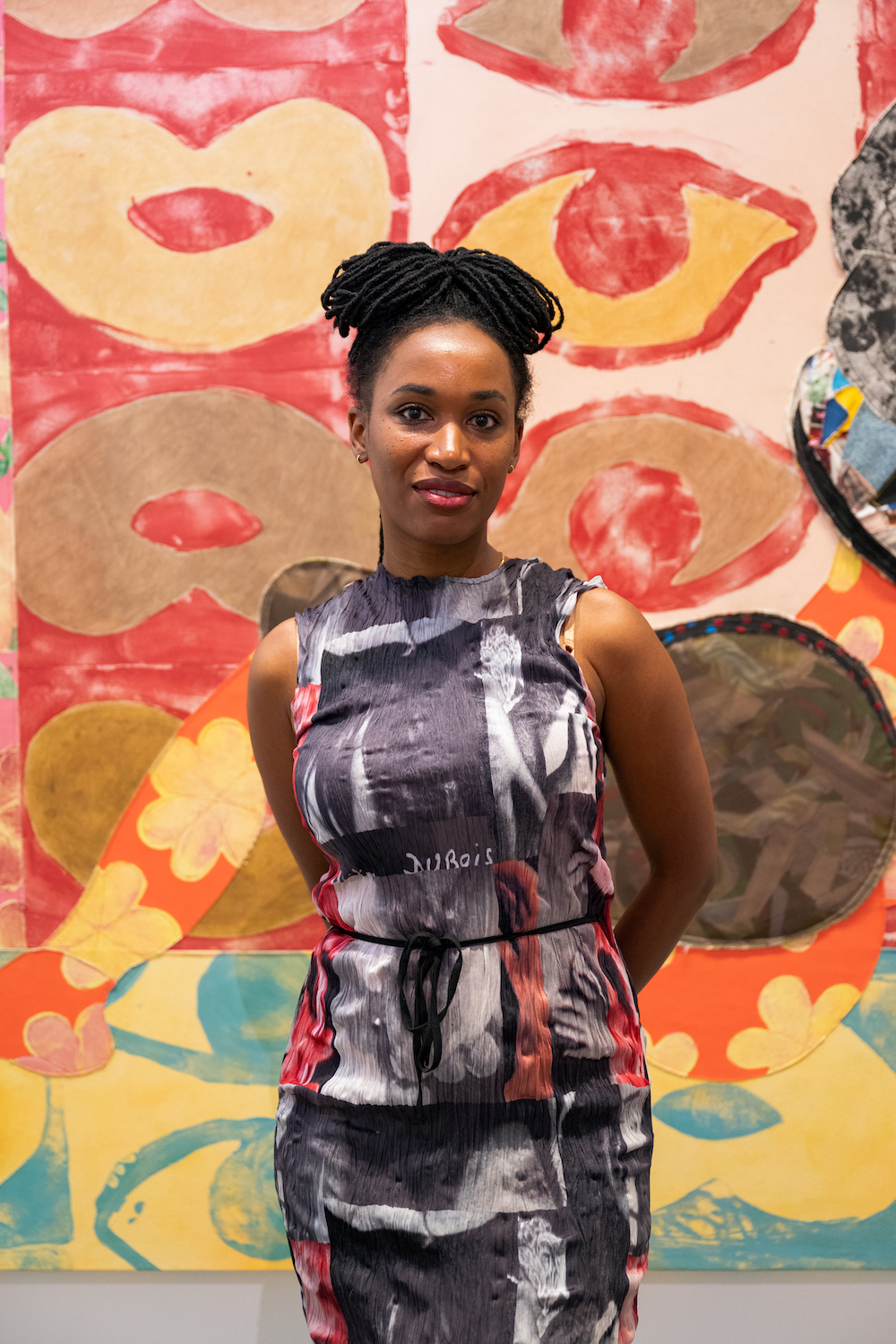
Artist: Tschabalala Self. Photographer Carmen Zammit

Key Artworks

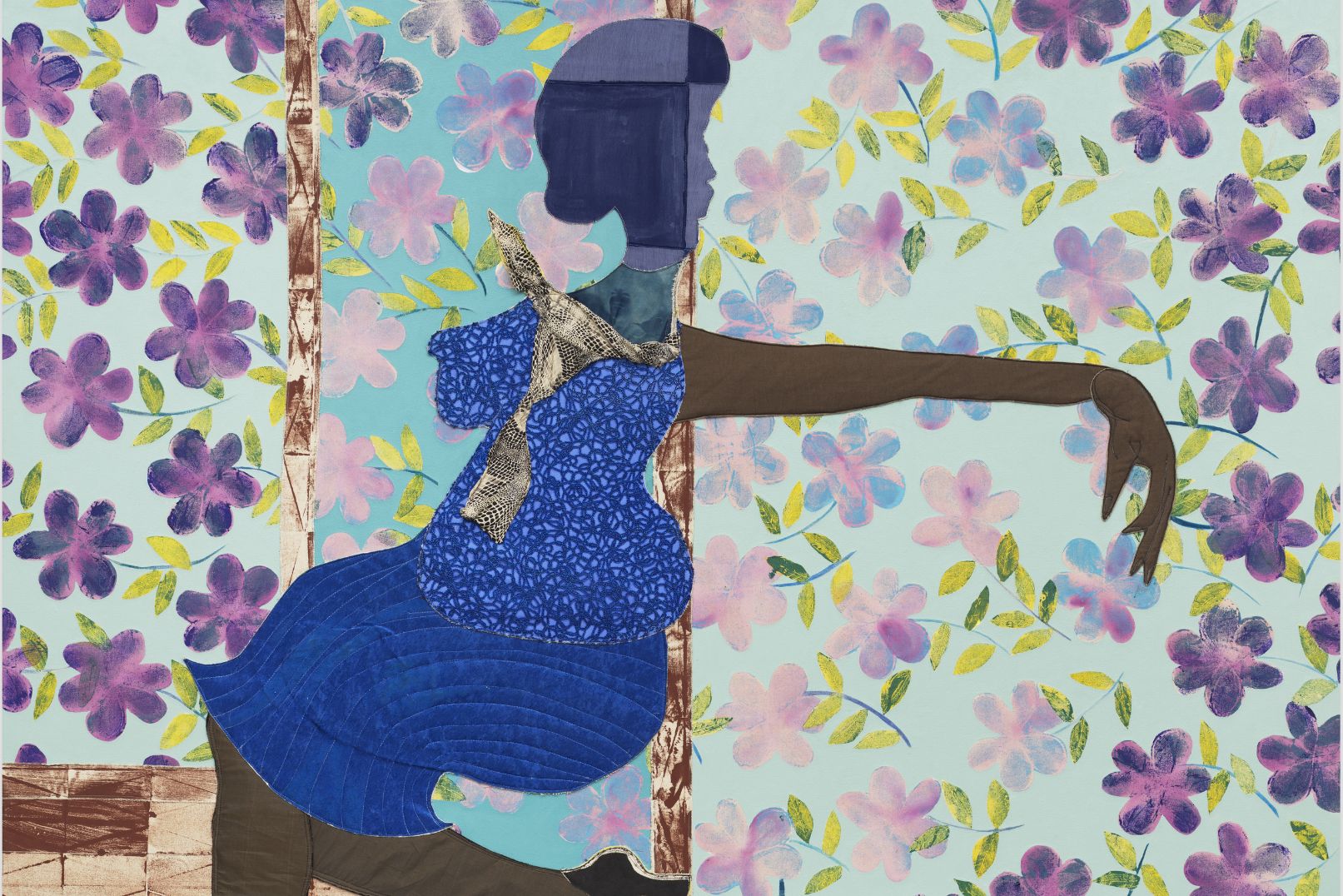
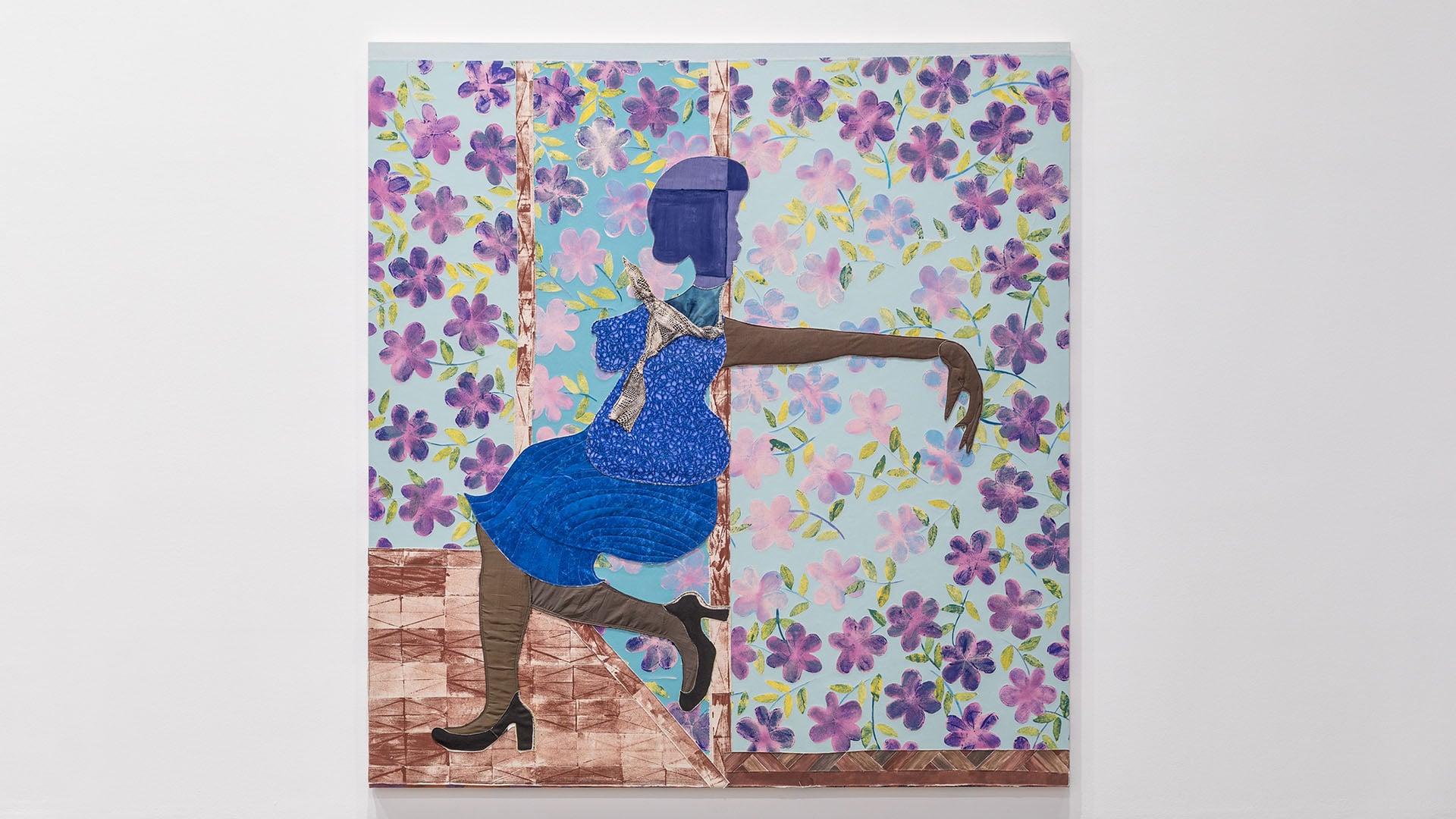
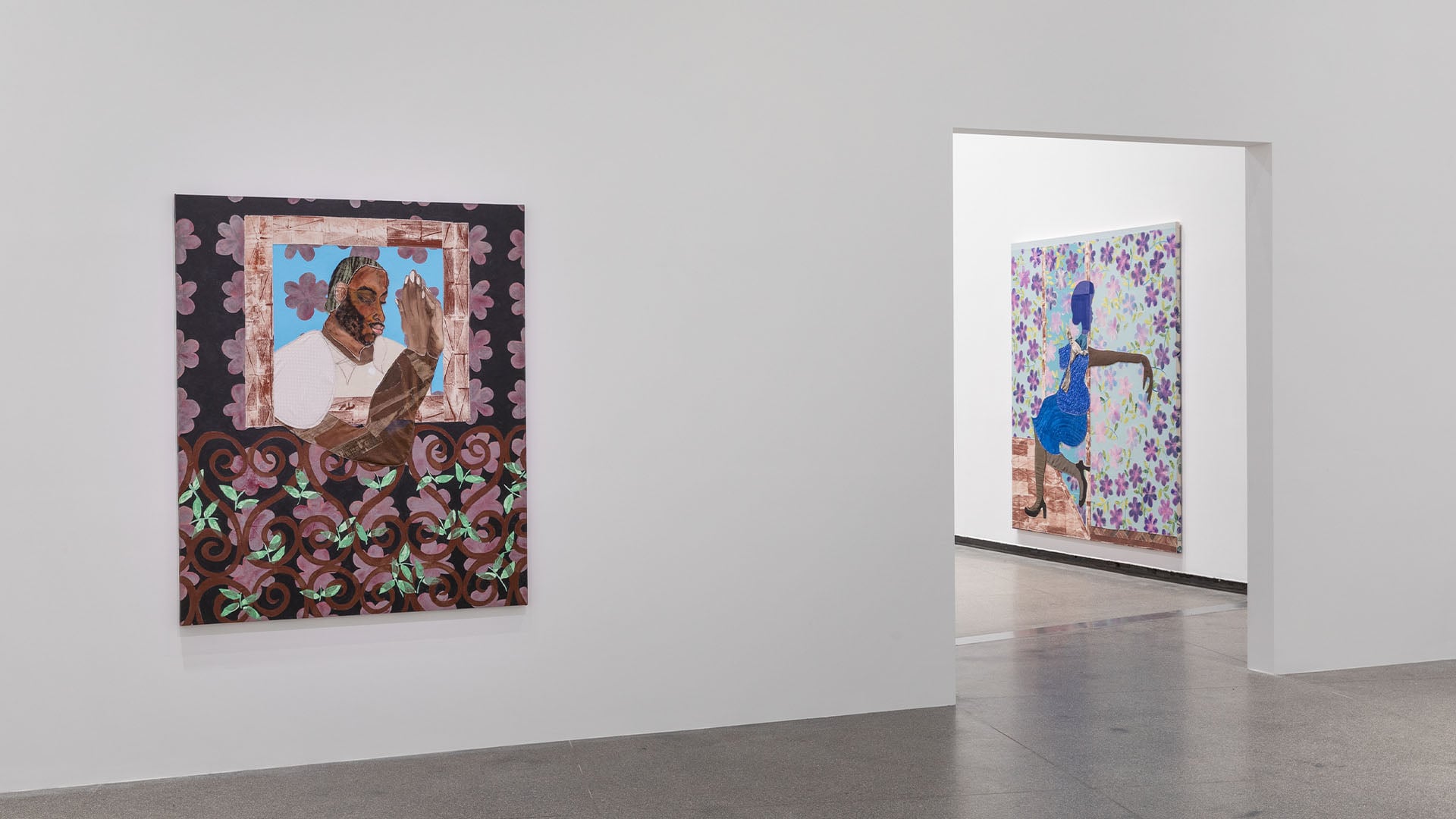
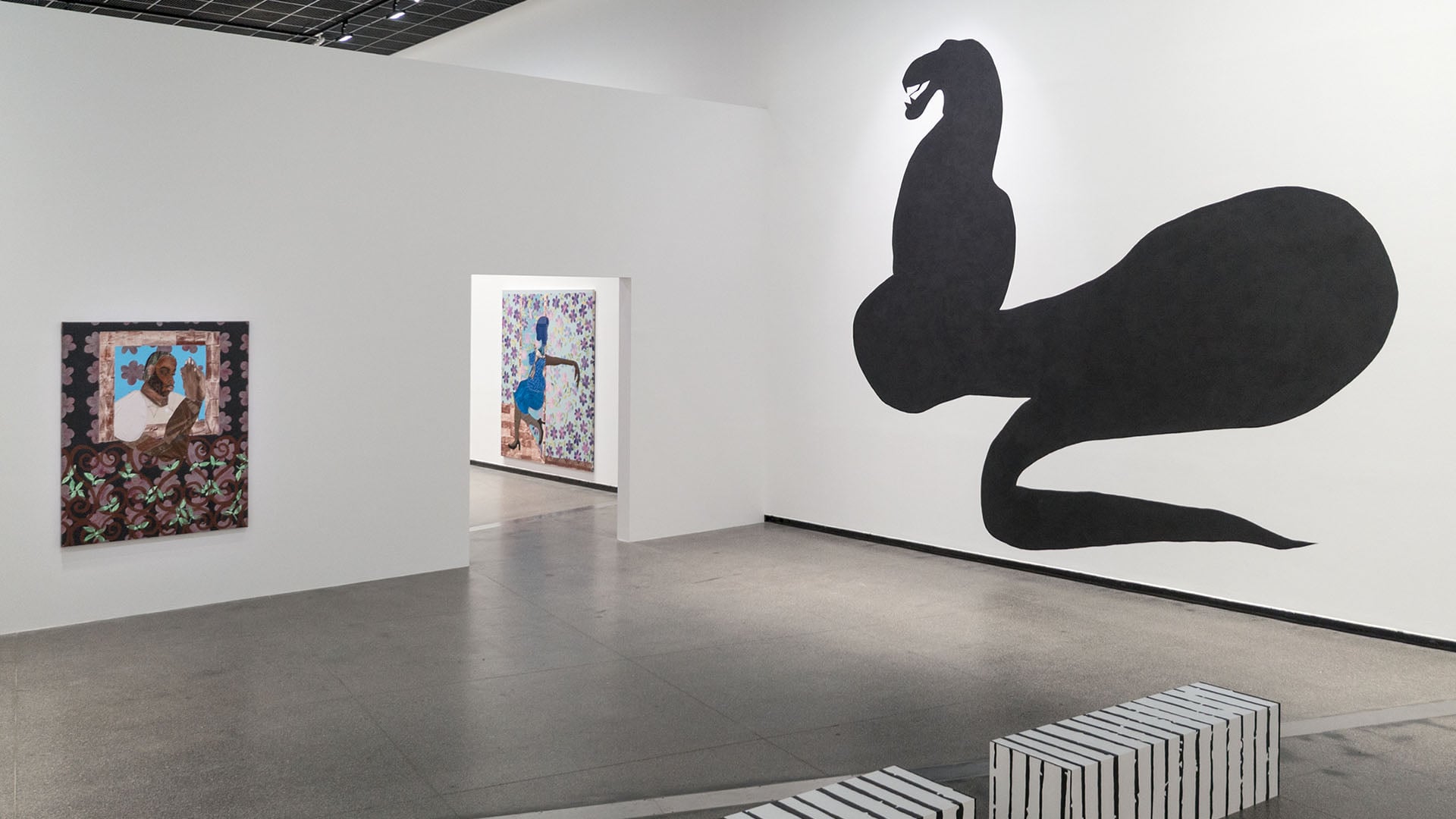
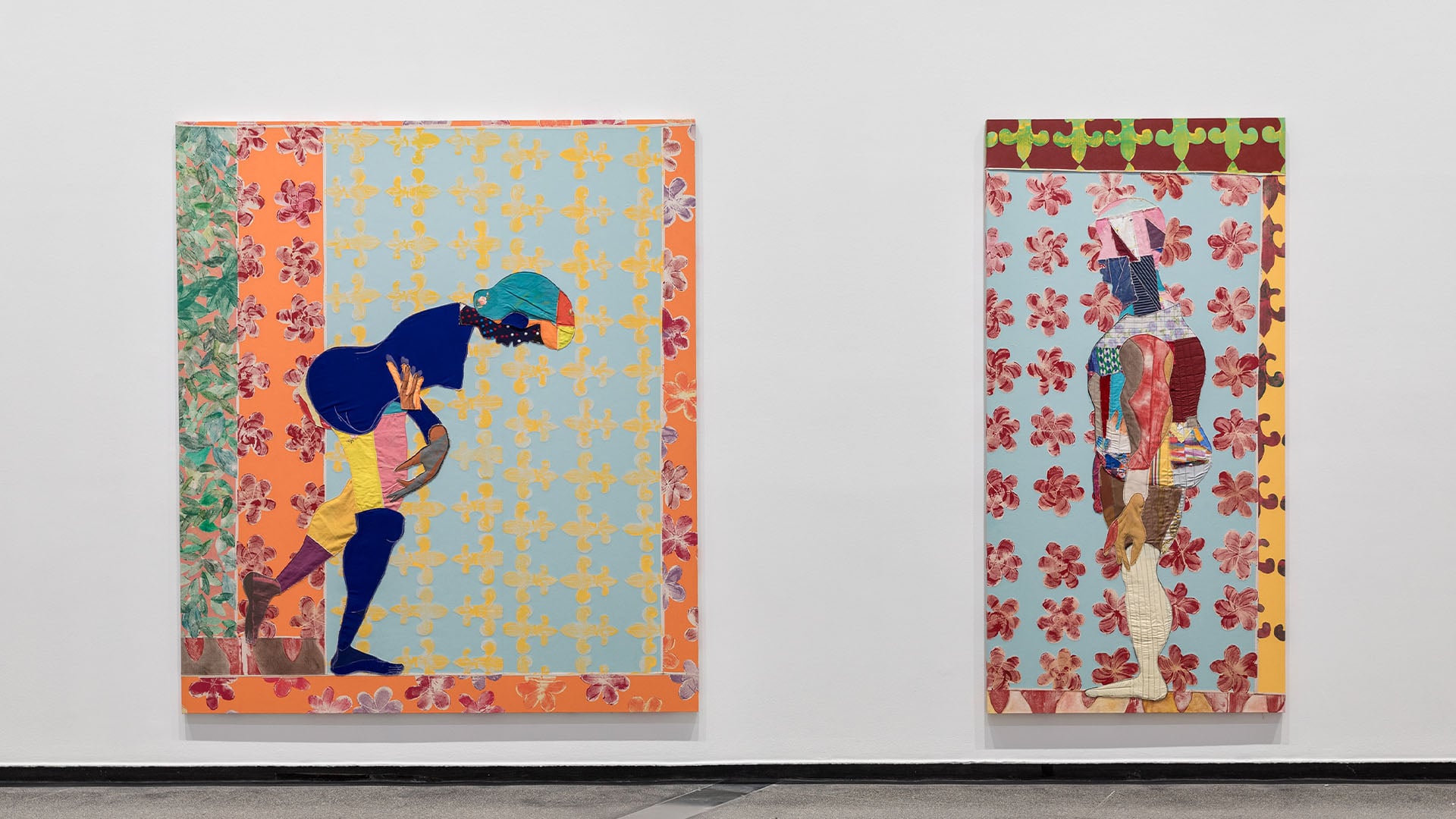
Tschabalala Self, Blue Woman 2025, installation view, Australian Centre for Contemporary Art, Melbourne, 2025. Courtesy the artist, Pilar Corrias, London, Galerie Eva Presenhuber, Zurich / Vienna and Petzel Gallery, New York. Photograph: Andrew Curtis.

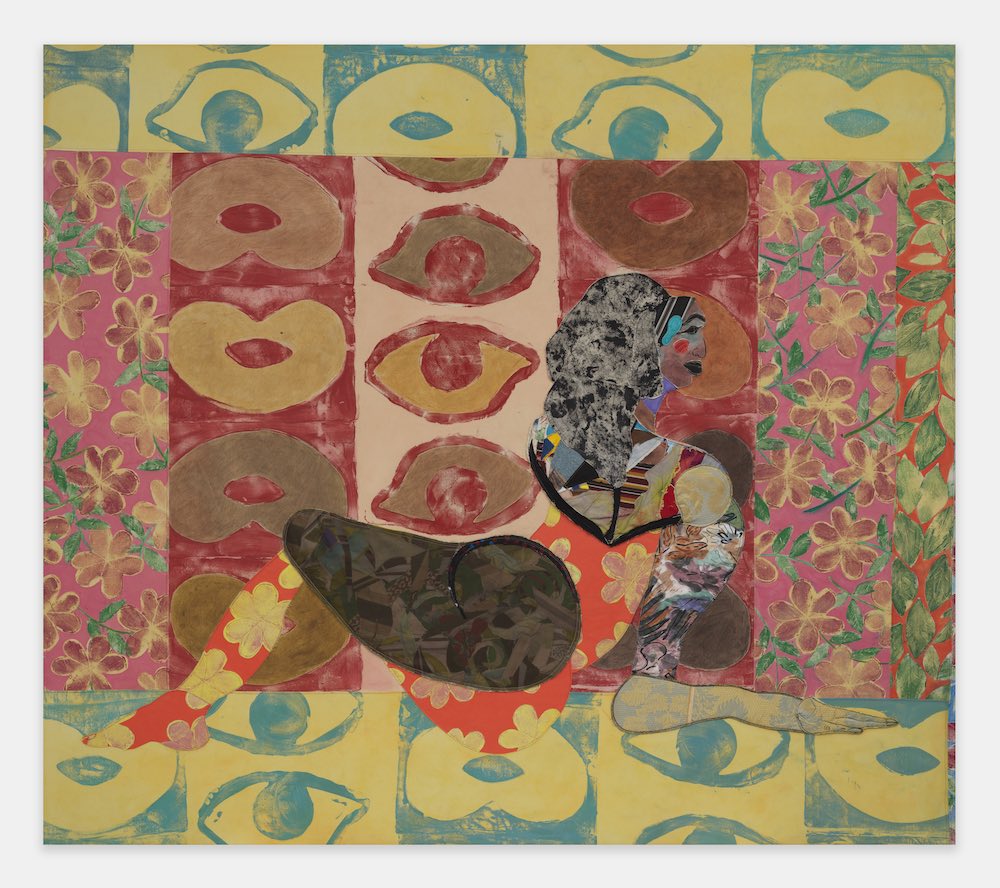
Tschabalala Self, Blue Woman, 2025

Acrylic paint, grease pencil, fabric, thread, and painted canvas on linen
259.1 x 243.8 x 3.8 cm
Courtesy the artist, Pilar Corrias, London, Galerie Eva Presenhuber, Zurich / Vienna and Petzel Gallery, New York

Key ideas/concepts: Printmaking, matriarchal forbearers, figuration, personal histories. 

Blue Woman 2025 is a new commission portraying a dignified older woman — proud, matriarchal, and deeply present in her physicality. The figure is suspended within a spiralling domestic setting, her posture suggesting a multiplicity of feeling and emotion, including strength, longing, power, vulnerability, and unspoken desire. Self observes, ‘She’s quite languid in her movement… her hand extended out, beckoning for affection or assistance.’ Made up of a patchwork of materials, the physical act of sewing is foundational to Self’s process, allowing her to construct her figures through layered textiles while challenging conventional ideas of representation. In Blue Woman, there is the recent introduction of stamping alongside other printing techniques; the spiralling floral stamps take on psychological dimensions, suggesting unrest and tumult. At the figure’s throat is a cyanotype of activist Angela Davis (political activist, professor and author), lending the figure a ‘voice’, and perhaps suggesting her resilience, power, and resistance. The title, Blue Woman, also evokes both colour and mood. As Self explains, ‘to be blue can be to be sad, to be melancholy.’ Yet the work resists pathologising depression and melancholia; instead, it is about recognising turbulence and unease as part of shared human life, and rest and acceptance as forms of resistance. The hardwood floor in the foreground of the work is also a nod to her artistic forbearers, including Horace Pippin, known for his depiction and celebration of Black domestic life.

‘I’m interested in making something that feels handmade, something that carries a personal history,’ she explains. ‘The idea of painting was never separate from making—it’s always been about assembling.’

Discussion Questions:

  • Why do you think the artist chose to use blue as a key colour when creating this artwork?
  • What feeling/mood do you associate with the colour blue?
  • Aside from the colour blue what other elements and principles make up this artwork?
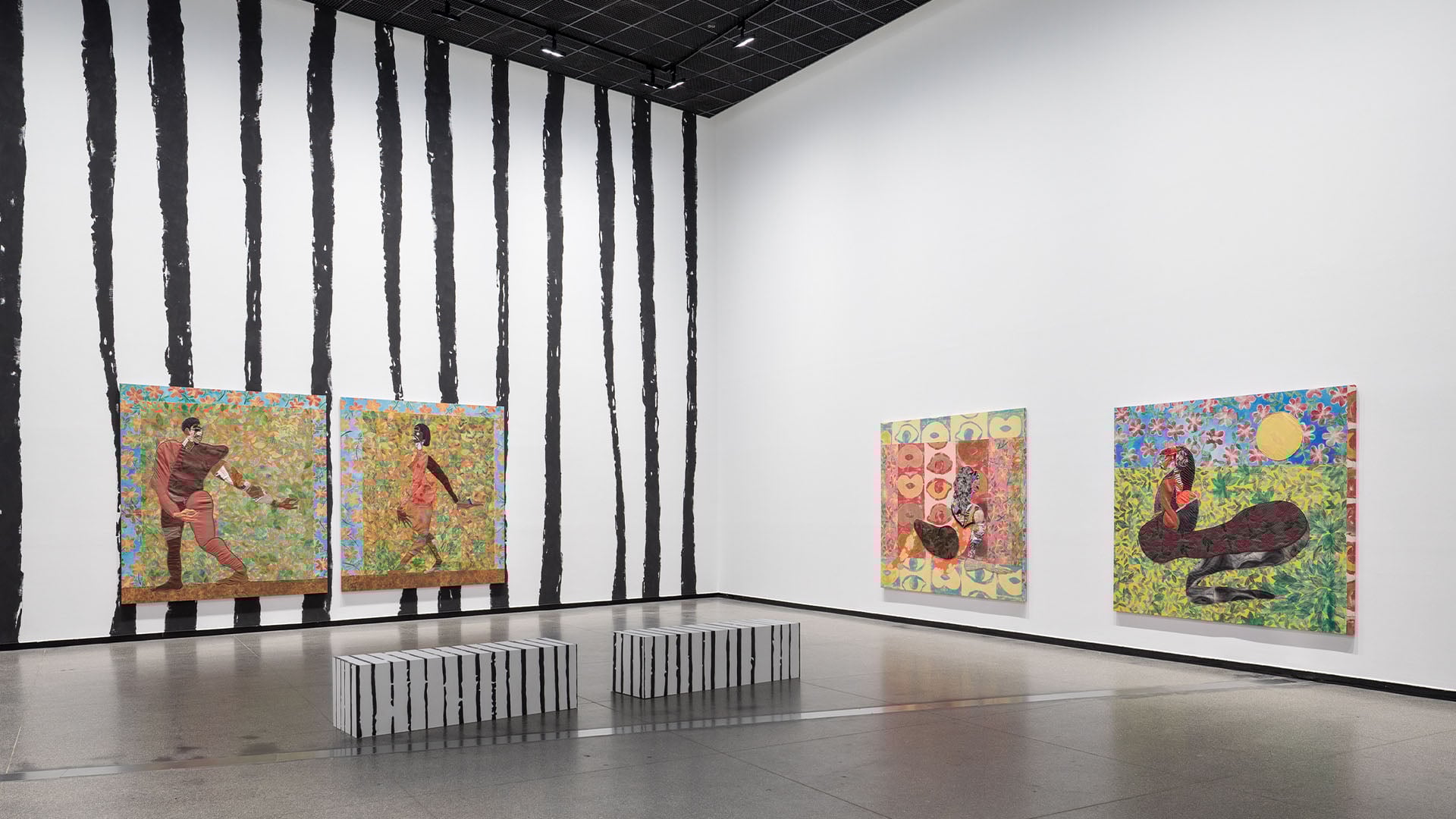
  1. Skin Tight, installation view, Australian Centre for Contemporary Art, Melbourne, 2025. Photograph: Andrew Curtis.

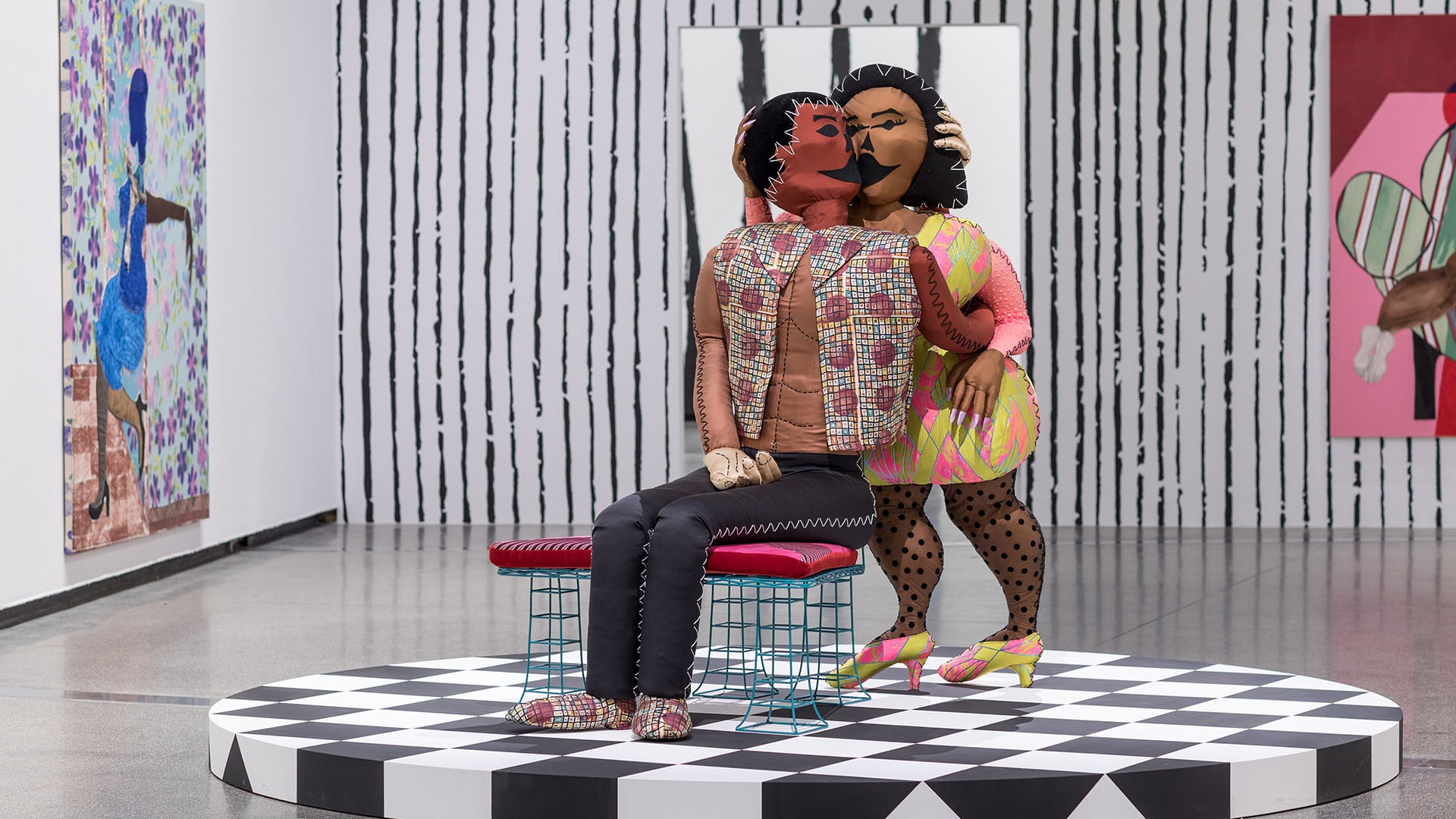
Tschabalala Self, The Soft Kiss, 2023

Steel frame, wire, upholstery foam, wadding and textiles
193.0 × 150.0 × 252.0 cm approx.
Courtesy the artist, Pilar Corrias, London, Galerie Eva Presenhuber, Zurich / Vienna and Petzel Gallery, New York

Key ideas/concepts: Expanded forms of painting, textiles, relationship between art and audience.

Self’s work expands painting into new dimensions, creating works that blur the boundaries between representation, materiality, and lived experience. In The Soft Kiss 2023, the artist has created larger-than-life sculptural figures that command presence while retaining an intimate connection to her painterly universe. Self explains, ‘I really wanted to see if I could push the formal aspects of the painted works and make them fully three-dimensional’. As in her paintings, attention to surface is central to her work: ‘There’s quite a lot of attention given to the stitching,’ she notes, ‘the stitching is both functional and decorative.’

Self is also connected to the lineage of Black women artists like Faith Ringgold and Dindga McCannon, working with textiles and fabrics within expanded painting practices. By drawing on this lineage, Self situates her explorations of vulnerability and desire within a broader history of Black representation in art.

For Self, this process is more than a technical experiment. By creating sculptural figures that share the same physical space as the viewer, she collapses the distance between art and audience. ‘The purpose of having these sculptures in the exhibition is so they can exist in the same realm as the viewer,’ she says, ‘to shift the relationship from viewer and painting, observer and object, but to name the exhibition space as the figure’s universe.’ Self’s work challenges the tiresome distinctions between art, craft, and design, questioning the hierarchies that determine who and what merit representation.

Discussion Questions:

  • Describe the artwork and consider the artist’s use of aesthetic qualities.
  • How does the viewer’s relationship with Self’s work change when moving from her 2D to her 3D work?
  • What visual clues connect the artist’s work with her artistic forebearers? 
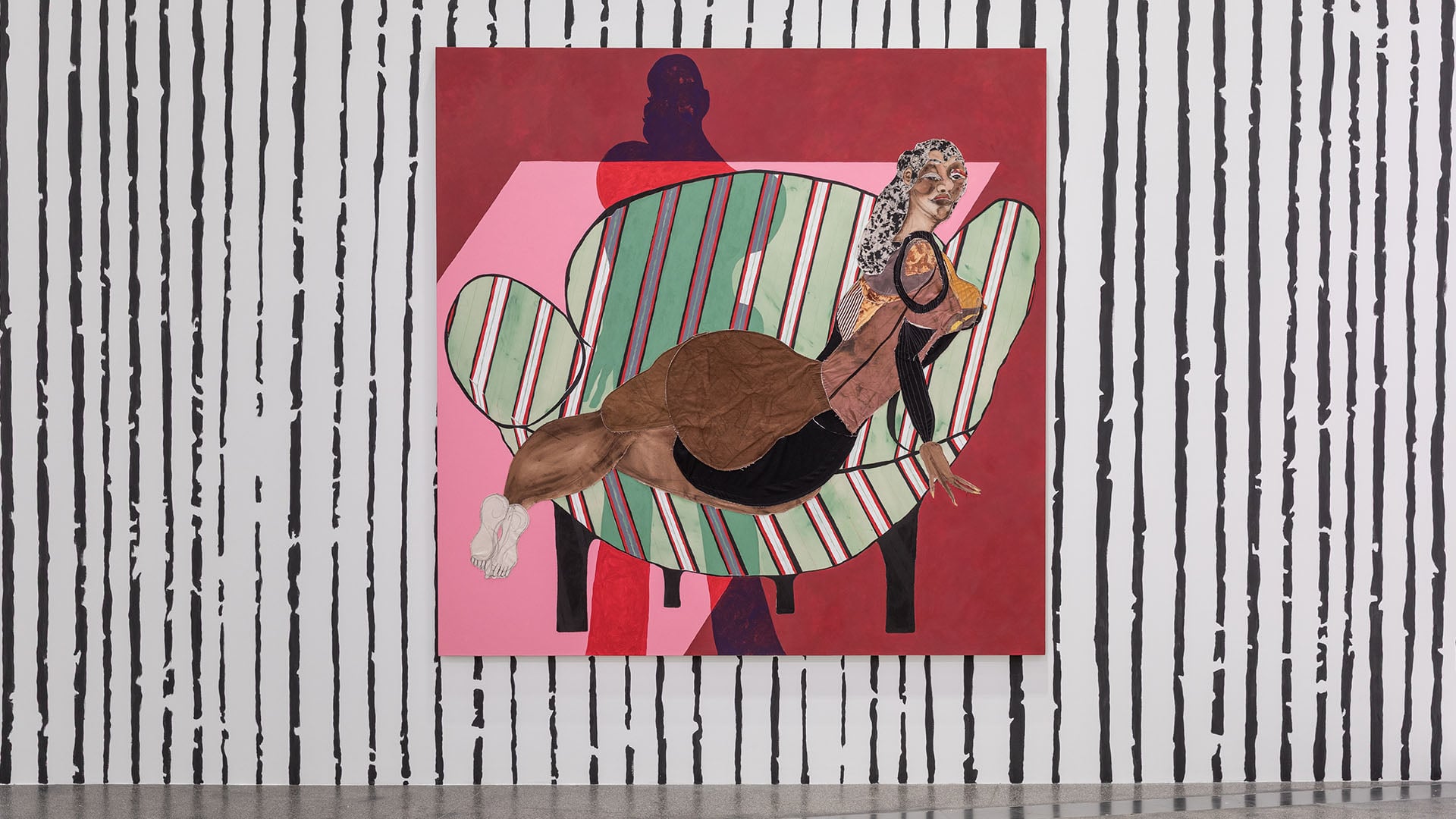
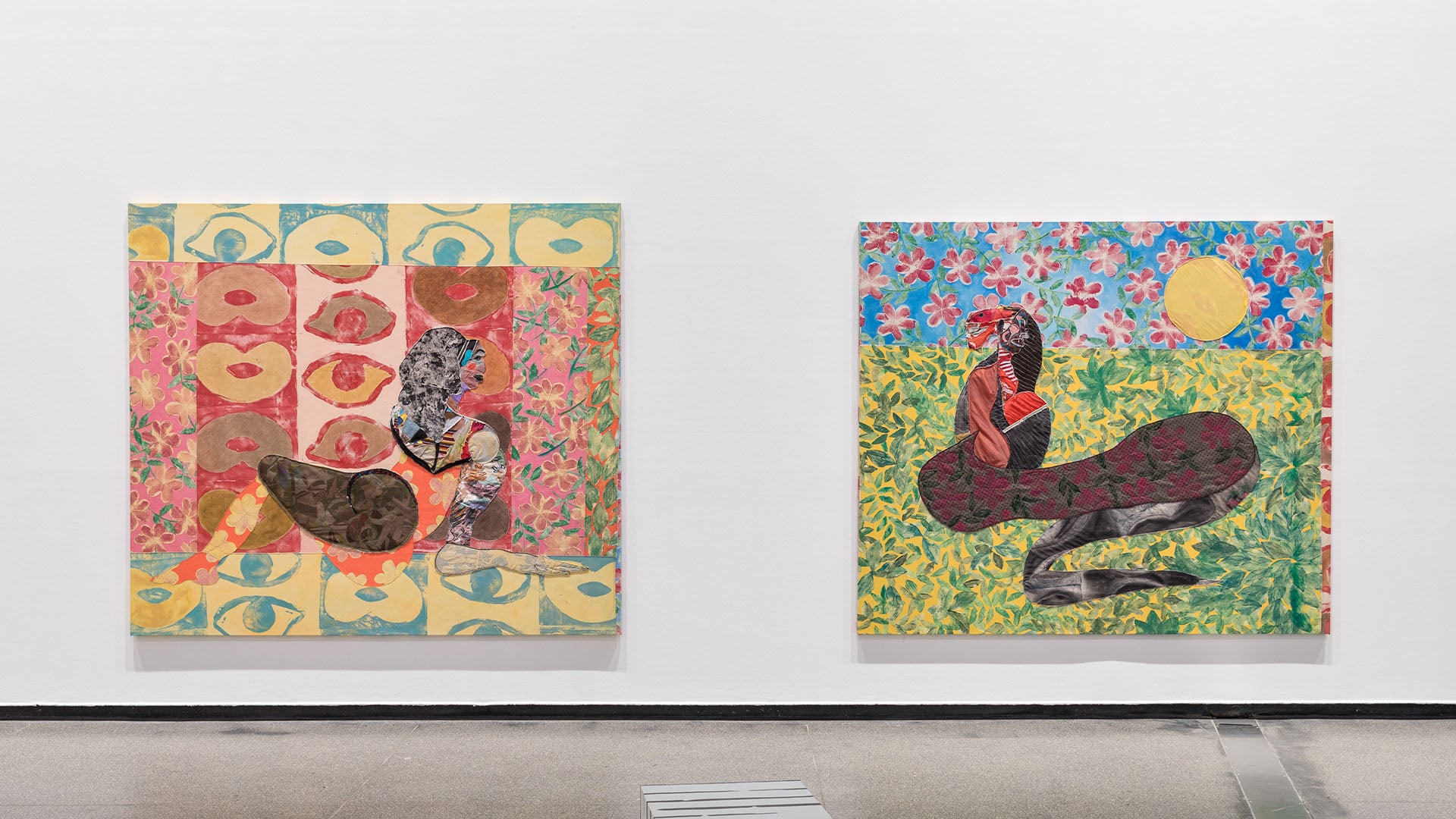
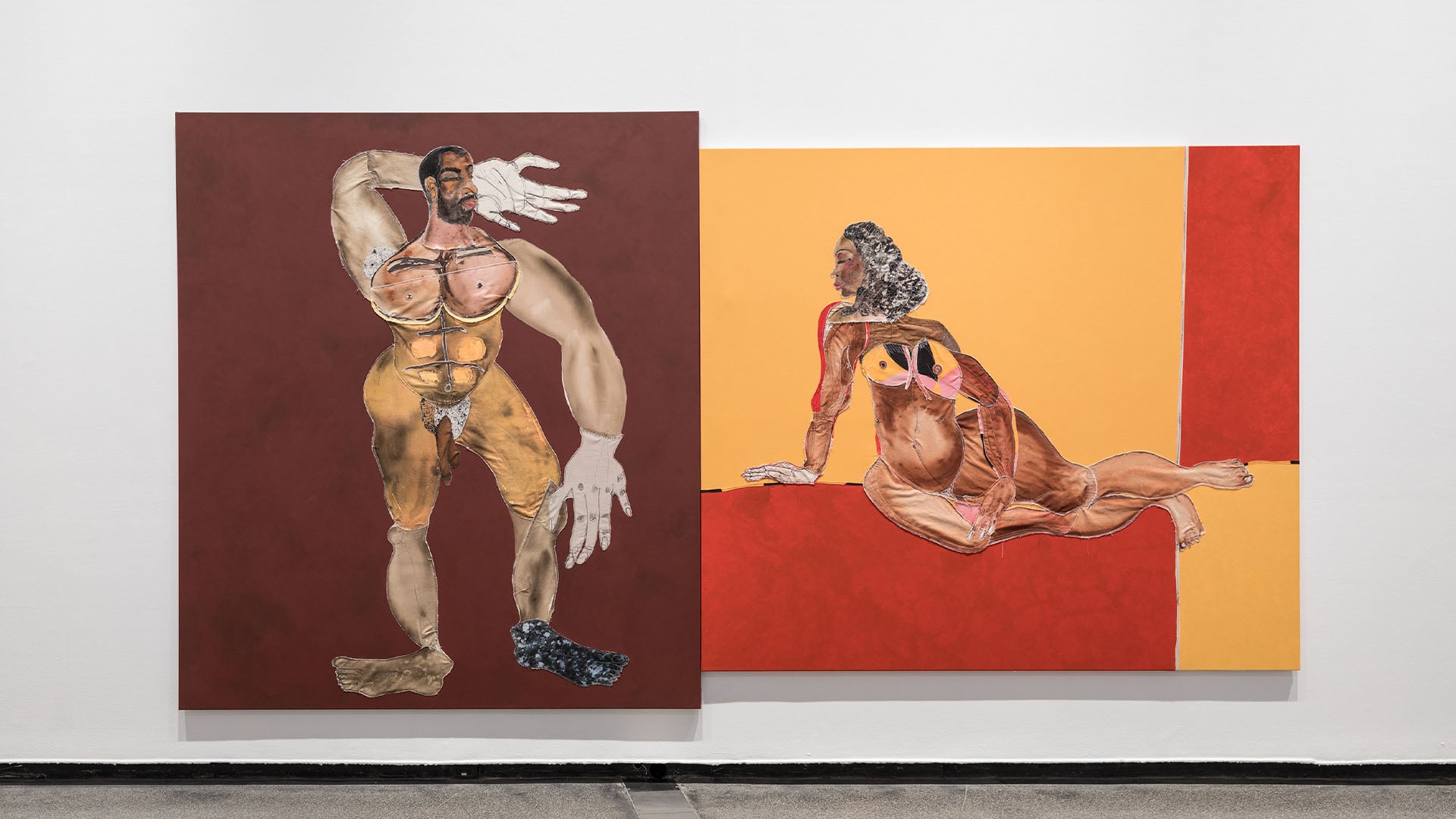
Tschabalala Self, Bold Reclining Nude 2025. Acrylic paint, grease pencil, fabric, thread, and painted canvas on linen, 224.8 × 254 × 3.8 cm. Courtesy the artist, Pilar Corrias, London, Galerie Eva Presenhuber, Zurich / Vienna and Petzel Gallery, New York

Tschabalala Self, Bold Reclining Nude, 2025

Acrylic paint, grease pencil, fabric, thread, and painted canvas on linen
224.8 × 254 × 3.8 cm
Courtesy the artist, Pilar Corrias, London, Galerie Eva Presenhuber, Zurich / Vienna and Petzel Gallery, New York

Key ideas/concepts: Transformation, transition, embodiment and liminal spaces.

Central to Self’s practice is a continual search for meaning, as she embraces the flaws, ruptures, and contradictions of life. In Bold Reclining Nude 2025 Self celebrates the feminine form and her own lived experience. Combining fabric layering and veiling, painting, sewing techniques and printing in the form of lino cuts and silicone stamps, the work intentionally merges figuration and abstraction to reflect growth, complexity, transformation and the layered nature of embodiment. ‘I see this figure as existing in a liminal space,’ a transitory space existing in the in between. Self explains, the figure’s space ‘is the most physical of any of my works.’ Bold Reclining Nude exists in the context of the non-identifiable space, but one which is rich with symbolic language — eyes, mouths, and floral motifs — the figure embodies blooming, abundance, and the shifting line between body and metaphor. 

Error, precision, revelation and concealment are omnipresent in Self’s work, and it is these and many other contradictions that become integral to both the physical artwork itself and her examination of human experience. Working with textiles and paint, Self employs collage methods that extend bodily representation beyond physical limits. The exquisitely intentional but at times roughly stitched and painted figures register the complexity of experience, where single moments and gestures contain multiple histories and contradictions. The beauty and visual complexity in Self’s work is not surface but functions as an analytical framework that is not purely decorative, but demands sustained attention, critical engagement and care.

Discussion questions:

    • Does this painting look flat, or is there some feeling of depth? How is this created? 
    • What painting, sewing, and printing techniques can you identify in Bold Reclining Nude 2025
    • Are the artist’s works portraits, and how do they differ from traditional portraiture?

For Teachers

Primary activities

Self-expression in pattern 

This activity is devised in response to artworks in the exhibition Tschabalala Self: Skin Tight, including The Soft Kiss 2023, Blue Woman 2025, and Bold Reclining Nude 2025.

Step One: Reflect on how Self uses an array of similar and contrasting patterns, colours and textures to create her artworks. Consider how you could develop your own patterns using homemade stamps to explore the theme of identity. 

Step Two: Consider what patterns might be representative of you, your life and identity. What kinds of shapes might represent you at different times? Consider the shapes, colours, textures and patterns that surround your physical environment (your clothes, your bedspread, your garden, the bottom of your shoes, etc.).

Step Three: Create your stamps. Almost anything can be made into a stamp – explore your home or school’s recycling bin. What have you discarded that you can repurpose? Look for discarded bottle caps, bubble wrap, coffee cups, corks, dried food, straws, paddle pops, blocks, old tire wheels from toys, etc. 

Step Four: Select the base of your artwork. You could use paper, fabric or something 3 dimensional, you just need to be able to stamp it to build up your patterns. How does repetitive stamping on your base change the quality of your chosen stamp? 

Step Five: Like Self you have created handmade stamps using the detritus from your life. In Self’s artworks, patterns tell stories. How do the stamps and patterns you have created express who you are? What stories do they tell? 

Australian Curriculum / Visual Arts / Years F-6

    • Explore ways that visual conventions, visual arts processes and materials are combined to communicate ideas, perspectives and/or meaning in visual arts across cultures, times, places and/or other contexts (AC9AVA6E01)
    • Experiment with, document and reflect on ways to use a range of visual conventions, visual arts processes, and materials (AC9AVA6D01)
    • Use visual conventions, visual arts processes and materials to plan and create artworks that communicate ideas, perspectives and/or meaning (AC9AVA6C01)

Victorian Curriculum / Visual Arts / Levels F-6

  • Investigate ways that visual conventions, visual arts processes and materials are used to communicate ideas, perspectives and meaning in artworks created across cultures, times, places and other contexts VC2AVA6E01
  • Develop visual arts skills by experimenting with visual conventions, visual arts processes and materials VC2AVA6D01
  • Plan, develop and resolve artworks that communicate ideas, perspectives and meaning (VC2AVA6C01)

Curriculum Interpretation

This activity is devised in response to artworks in the exhibition Tschabalala Self: Skin Tight, including The Soft Kiss 2023, Blue Woman 2025, and Bold Reclining Nude 2025.

By undertaking these activities, students:

  • Use contemporary artworks as inspiration for their own making.
  • Explore expanded forms of painting.
  • Experiment with stamp and pattern making techniques.
  • Develop and use stamps and patterns to express ideas related to identity.
  • Trial new approaches to repetition, style and composition.
  • Open their process to a sense of play, trial and error.

Secondary activities

Self-expression in multiplicity

This activity is devised in response to artworks in the exhibition Tschabalala Self: Skin Tight, including Blue Woman 2025 and Bold Reclining Nude 2025.

Step One: Reflect on how Self uses collaged materials with varying patterns, colours and textures to create portraits. Consider how you could use similar materials and techniques to explore the theme of identity. You may like to create a self-portrait, or an image that is more open. Self’s figures are not representative of any singular individual – they are collages of various real and imagined people.

Step Two: Select your materials. Use paper as a base for your collage, then experiment with combining different fabrics. How can you pair these to express a particular mood or personality?

Step Three: Use scissors to cut shapes out of the fabric. Think about creating shapes that speak of the face or body. Self’s figures are not highly realistic, so you may also like to keep your shapes simple, or even semi-abstract.

Step Four: Use glue to stick your shapes down. Experiment with layering, thinking about Self’s full compositions. How does your use of shape and space challenge or affirm perceptions of identity? How does it express the limitation or freedom of embodiment?

Optional: Use other materials to create a mixed media artwork. For example, you may like to add colour, lines, or other drawn marks using pencils or markers. Self uses paint to add texture to her artworks – how can you use drawing tools to create variety in your own portrait?


Australian Curriculum / Visual Arts / Years 7-10

  • Investigate ways that visual conventions, visual arts processes and materials are manipulated to represent ideas, perspectives and/or meaning in artworks created across cultures, times, places and/or other contexts (AC9AVA8E01)
  • Generate, document and develop ideas for artworks (AC9AVA8C01)
  • Experiment with visual conventions, visual arts processes and materials to refine skills and develop personal expression (AC9AVA10D01)

Victorian Curriculum / Visual Arts / Levels 7-10

  • Investigate ways that visual conventions, visual arts processes and materials are used to communicate ideas, perspectives and meaning in artworks created across cultures, times, places and other contexts (VC2AVA8E01)
  • Develop and refine skills in visual arts practices using visual conventions, visual arts processes and materials to create artworks (VC2AVA8D01
  • Plan, develop and resolve artworks that communicate ideas, perspectives and meaning (VC2AVA10C01)

Curriculum Interpretation

This activity is devised in response to artworks in the exhibition Tschabalala Self: Skin Tight, including Blue Woman 2025 and Bold Reclining Nude 2025.

By undertaking these activities, students:

  • Use contemporary artworks as inspiration for their own making.
  • Explore expanded forms of painting.
  • Experiment with collage and assemblage techniques.
  • Use figurative imagery to express ideas related to identity.
  • Trial new approaches to style and composition.
  • Open their process to a sense of play, trial and error.


Terms of Use

This education resource has been produced by ACCA Education to provide information and classroom support material for education visits to the exhibition Tschabalala Self: Skin Tight. The reproduction and communication of this resource is permitted for educational purposes only.

Supported by