6 – 8.30pm
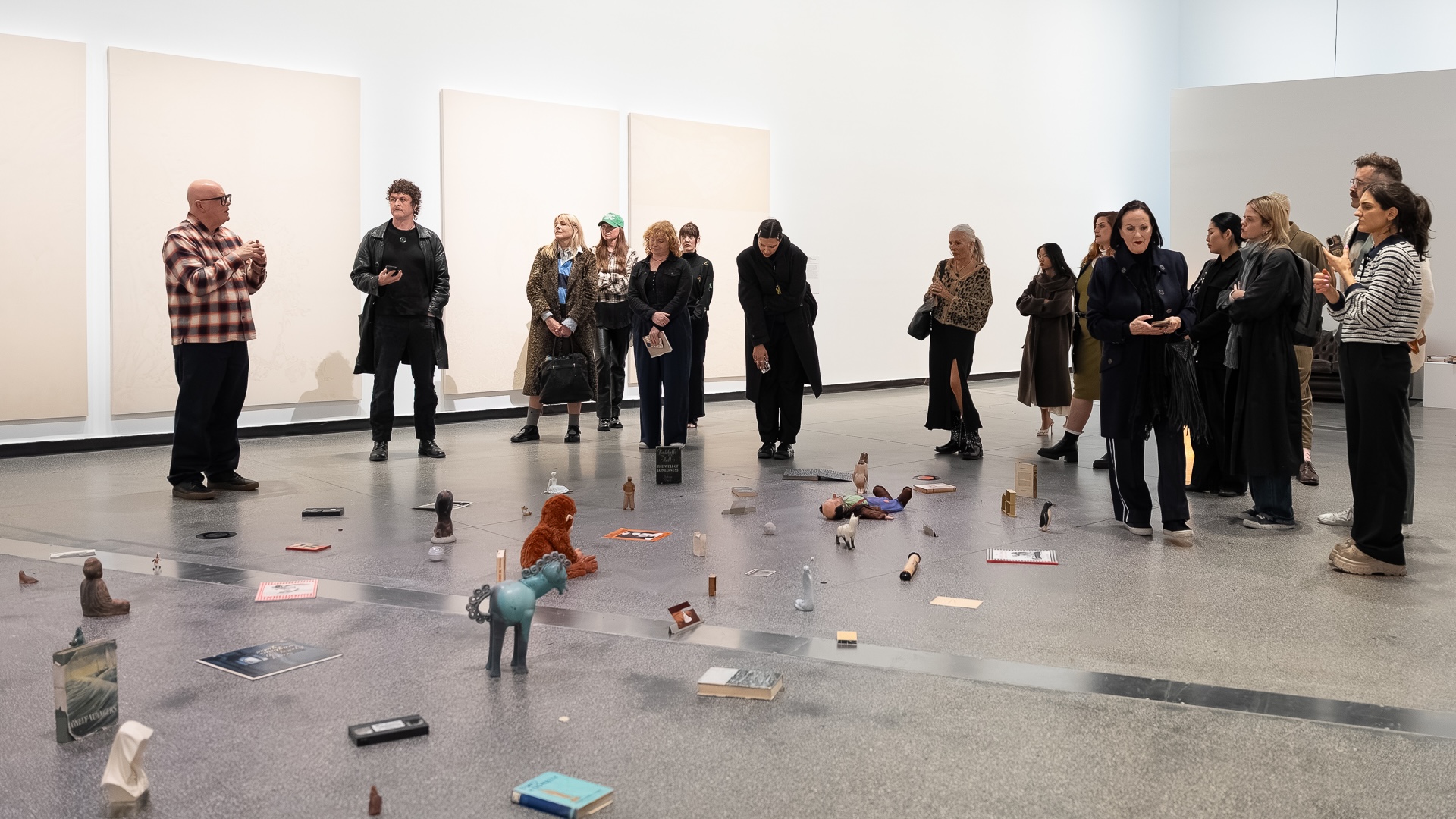
To coincide with our upcoming exhibition, Are you lonely tonight? I’m so lonesome I could cry., ACCA Education is delighted to invite you to join us for an engaging panel discussion exploring the relationship between art and emotion, and how creative practices can support young people to navigate complex and powerful emotional experiences.
The evening will begin with a panel discussion featuring Trisnasari Fraser (Community Psychologist), Flick Chafer-Smith (The Torch, First Peoples Arts Mentor), Mary Utter (Secondary Teacher and Art Therapist), and Lauren Simmonds (ACCA Artist Educator), followed by a Q&A and a hands-on drawing workshop.
Bringing together diverse perspectives, the panel will explore the role of art in fostering emotional awareness, resilience and connection. Through discussion and shared experience, the panellists will consider how creative expression can provide valuable tools for understanding ourselves and others, creating greater connection.
The Drawing Club workshop will explore the therapeutic potential of drawing in response to the artworks in the exhibition. Led by panellist and art therapy facilitator Mary Utter.
PANELLISTS
Trisnasari Fraser (Community Psychologist)
Flick Chafer-Smith (The Torch, First Peoples Arts Mentor)
Mary Utter (Secondary Teacher and Art Therapist)
ORDER OF PROCEEDINGS
5:30pm: Arrive to view exhibition and mingle ready for a 6pm start
6 – 7pm: Panel conversation followed by Q&A
7 – 8.30pm: Drawing in the gallery with Mary Utter.
There will be opportunities for Q&A and light refreshments.
WHERE: Held at ACCA
TICKETS
This event is open to the general public, teachers and educators at all levels.
General Public: $10 + GST
Discounted tickets for teachers:
Student Teacher/Concession $5 + GST
Teacher $8+ GST
Regional teachers, we’re pleased to be offering a limited number of free spots! To secure a limited free ticket please email ACCA Education here, and tell us a little about yourself and your school community.
BIOGRAPHIES
TRISNASARI FRASER
Trisnasari Fraser is an Australian registered psychologist, researcher, and community leader based in Melbourne. Her work focuses on community psychology, social cohesion, and creative wellbeing. As a psychologist with a Community Psychology endorsement, she focuses on wellbeing in social and cultural contexts. She is a vocal advocate for the mental health and wellbeing of culturally diverse artists and creative practitioners, designing evidence-based alternatives to traditional goal-setting. She has worked as a postdoctoral research fellow and convenor of the Creativity and Wellbeing Research Initiative (CAWRI, Uni Melb), investigating the intersections of creativity and wellbeing. Fraser currently serves as the Welcoming Universities Coordinator for Welcoming Australia, an organization dedicated to fostering inclusive communities and building social capital.
FLICK CHAFER-SMITH
Flick Chafer-Smith is a proud and loud Ngarrindjeri woman from South Australia. She is also an artist who enjoys sharing personal memories of growing up with her family and cultural stories though her acrylic paintings on canvas. Flick was first introduced to The Torch during a term of imprisonment at the Dame Phyllis Frost Centre. Upon release and reintegration, Flick began working as the Accounts and Operations Assistant with The Torch, then moving on to a new role as a First Peoples Arts Mentor. Flick is The Torch’s first female participant to become a First Peoples Arts Mentor and works with all the women in The Torch’s in-prison & in-community program. Flick is passionate about the power of healing through story-telling and creating, and supporting those on their journey to heal their spirits.
MARY UTTER
Mary Utter is an Art, Design and Technology Teacher at Collingwood College, bringing expertise in art therapy and trauma-informed care to educational settings. Their background encompasses a blend of art education, clinical practice, and family support services, reflecting a commitment to holistic well-being. As an Art, Design and Technology Teacher, Mary applies capabilities in art education and curriculum development to foster creativity and innovation among students. Mary has worked for and with a range of NGOs and Government organisation and has academic foundations of Master of Teaching, Master of Arts in Art Therapy and a Bachelor of Arts of Fine Arts.
Learning Objectives
– Reflect on how gallery-based learning experiences can inspire curiosity, imagination and creative engagement for both teachers and students.
– Explore the relationship between contemporary art, emotion and wellbeing, and consider how creative practices can support emotional awareness and resilience in young people. Examine the social and cultural contexts that inform contemporary artistic practice and apply these insights to classroom learning.
– Recognise the diverse roles, histories, traditions and perspectives of contemporary artists, and consider how these can enrich visual arts education.
– Develop critical and creative thinking through discussion of contemporary art, artistic processes and arts language.
– Experience drawing as a reflective and expressive practice, exploring its potential therapeutic benefits for personal wellbeing and classroom application.
– Identify practical strategies for integrating artist-informed approaches, creative inquiry and emotional literacy into Visual Arts teaching.
– Build confidence in facilitating meaningful discussions about art, emotion and identity within inclusive learning environments.
– Reflect on how gallery-based learning experiences can inspire curiosity, imagination and creative engagement for both teachers and students.
AITSL Australian Professional Standards for Teachers addressed:
6.4 Undertake professional learning programs designed to address identified student learning needs.
2.1. Apply knowledge of the content and teaching strategies of the teaching area to develop engaging teaching activities.
3.3 Select and use relevant teaching strategies to develop knowledge, skills, problem solving and critical and creative thinking
6.2 Participate in learning to update knowledge and practice, targeted to professional needs and school and/or system priorities.